Introduction
In 2026, having a professional website is no longer just an option for businesses. It is an important part of building credibility, reaching potential customers, and staying competitive in an increasingly digital marketplace. Whether you operate a small local business, a startup, a service-based company, or an established organisation, your online presence can influence how customers discover and evaluate your brand.
Today, customers often search online before choosing a product, service, or company. If your business does not have a website, potential customers may struggle to find reliable information about your offerings. A professionally developed website helps you showcase your services, communicate your value, answer customer questions, and generate business enquiries.
Investing in professional website development services can help your business build a strong digital foundation and create more opportunities for long-term growth.
1. Build Trust and Business Credibility
Trust plays an important role in purchasing decisions. Before contacting a company, customers often want to understand what it offers, how it works, and whether it appears reliable. A professional website gives your business a dedicated platform to communicate this information clearly.
A well-designed website featuring your services, portfolio, customer testimonials, business information, and contact details can create a positive first impression. It also helps present your brand consistently across digital channels.
To build credibility through your website:
- Use a clean, professional, and consistent design.
- Display accurate business information and contact details.
- Showcase relevant projects, case studies, or testimonials.
- Include clear descriptions of your products and services.
- Use HTTPS and appropriate website security measures.
A professional business website helps customers make informed decisions and gives your brand a more established online presence.
2. Reach More Customers Through Google Search
One of the biggest advantages of having a website is the opportunity to attract customers through search engines. People regularly search online for services, solutions, and products that meet their needs. An SEO-friendly website can help your business appear for relevant searches.
For example, a company offering web design services in Mumbai may target searches such as “website development company in Mumbai” or “professional website designer for small business.” Relevant service pages and helpful blog articles can help search engines understand the business and its expertise.
To improve your website's search visibility:
- Research keywords related to your services and target audience.
- Create dedicated pages for important services.
- Publish informative, original, and relevant blog content.
- Optimise page titles, meta descriptions, headings, and URLs.
- Improve website loading speed and mobile usability.
- Build useful internal links between related pages.
Search engine optimisation (SEO) takes time and consistent effort, but a well-structured website provides a foundation for attracting relevant organic traffic over the long term.
3. Make Your Business Available Online 24/7

Unlike a physical office that operates during specific hours, your website can provide information to visitors at any time. Customers can explore your services, review your portfolio, read frequently asked questions, and submit enquiries whenever it is convenient for them.
This is particularly useful for businesses that serve customers across different cities or time zones. Even when your team is unavailable, your website can continue introducing your business to potential customers.
You can make your website more useful with features such as:
- Online enquiry and contact forms.
- Appointment or consultation booking.
- Product catalogues and service listings.
- Frequently asked questions.
- WhatsApp contact links or other communication options.
These features make it easier for customers to take the next step without waiting for your business to reopen.
4. Generate More Leads and Business Enquiries
A business website should do more than display information. It should guide visitors towards meaningful actions, such as requesting a quotation, booking a consultation, purchasing a product, or contacting your team.
A carefully planned website structure helps visitors understand your services and find the information they need before making a decision.
For better lead generation, consider including:
- Clear calls to action, such as “Get a Free Quote” or “Contact Our Team.”
- Dedicated landing pages for important services.
- Simple forms that request only necessary information.
- Case studies that demonstrate your experience.
- Testimonials that provide genuine customer feedback.
- Analytics tools to measure enquiries and conversions.
- Publishing helpful content that answers customer questions.
When website design and development are aligned with your business goals, your website can become a useful channel for turning relevant visitors into potential customers.
5. Stay Competitive in the Digital Marketplace
In 2026, customers have many ways to discover and compare businesses online. They may review websites, browse social media profiles, compare service offerings, and evaluate customer feedback before making a decision.
A professional website helps your business communicate its unique strengths instead of relying entirely on third-party platforms. It also gives you more control over your brand presentation and the information customers see.
Your website can help you stand out by showcasing your expertise, explaining your process, displaying your portfolio, and answering questions that competitors may overlook.
However, simply having a website does not guarantee more customers. Its effectiveness depends on the quality of the content, user experience, search visibility, and how well it meets your audience’s needs.
6. Provide a Better Mobile User Experience
Mobile browsing continues to be an important part of how people discover businesses and services. A website that works well only on desktop computers can create unnecessary difficulties for visitors using smartphones or tablets.
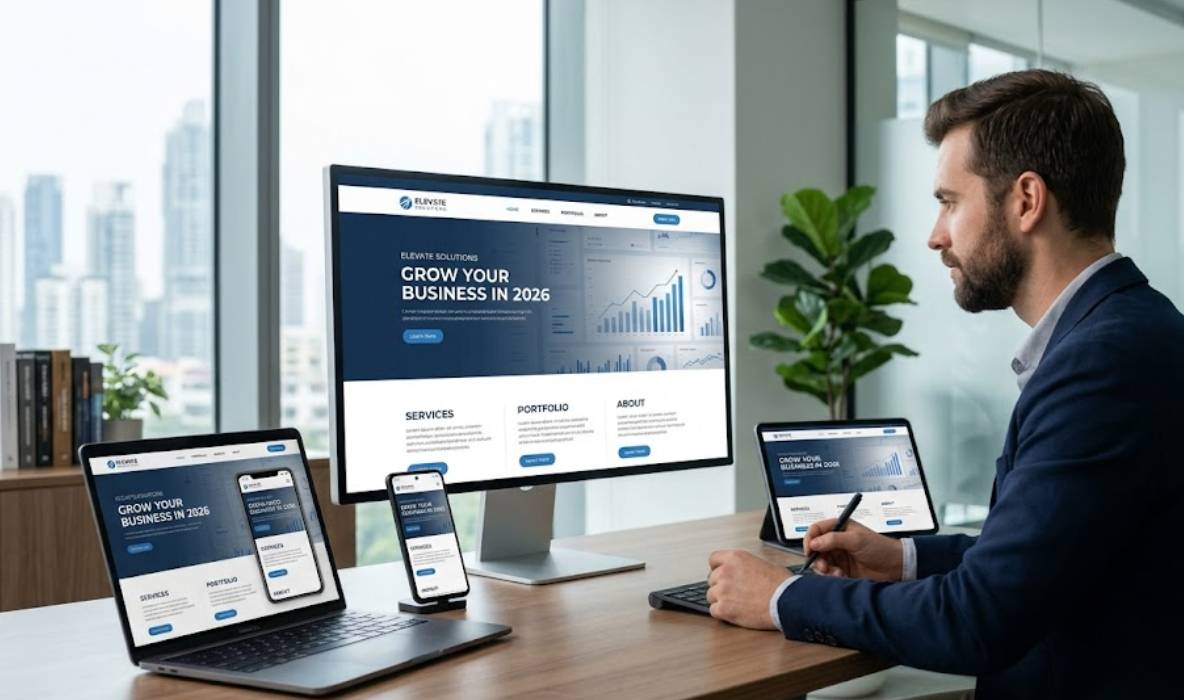
Responsive website design ensures that website layouts adapt to different screen sizes. Text remains readable, navigation stays accessible, and buttons and forms are easier to use.
A mobile-friendly business website should include:
- Fast-loading pages and optimised images.
- Readable text without unnecessary zooming.
- Simple navigation and accessible menus.
- Buttons that are easy to tap.
- Forms that work smoothly on smaller screens.
- Consistent content across mobile and desktop devices.
A smooth mobile experience helps visitors access information conveniently and supports broader SEO and digital marketing efforts.
7. Support Your Digital Marketing Strategy

Your website can serve as the central destination for your digital marketing campaigns. Whether you promote your business through social media, email marketing, paid advertisements, or SEO, your website gives interested customers a place to learn more about your offerings.
For example, a social media campaign can introduce your brand, while a dedicated landing page provides additional details and encourages visitors to submit an enquiry. Blog content can answer common questions, and service pages can explain the solutions you provide.
Your website can support digital marketing through:
- SEO-focused service pages and blogs.
- Landing pages for advertising campaigns.
- Product and service information.
- Email subscription forms where appropriate.
- Analytics and conversion tracking.
- Links to relevant social media profiles.
Planning your website and marketing strategy together helps create a more consistent customer journey across different digital channels.
8. Choose the Right Website Development Solution
Every business has different goals, budgets, and technical requirements. Choosing the right website development solution helps ensure your website meets current needs while allowing room for future growth.
Your website can support digital marketing through:
- WordPress website development: Suitable for business websites, blogs, service pages, and content-driven websites.
- eCommerce website development: Ideal for businesses that want to sell products online and manage orders.
- Custom website development: Appropriate when a business requires specialised features or integrations.
- Landing page development: Useful for focused marketing campaigns and specific services or offers.
Before selecting a solution, consider your target audience, required functionality, available budget, and plans for future expansion. A professional website developer can help you identify a practical approach without adding unnecessary complexity.
Conclusion
Every business needs a professional website in 2026 because customers increasingly rely on digital channels to discover, research, and evaluate companies. A well-developed website helps build credibility, improve online visibility, generate enquiries, and provide a convenient customer experience.
From responsive website design and SEO-friendly development to lead generation and digital marketing integration, your website should be designed around the needs of your audience and the goals of your business.
Whether you are launching a startup, expanding an established company, or upgrading an outdated website, investing in professional website development services can help create a stronger digital presence.
Ready to grow your business online? Start with a professional website that showcases your expertise, connects with your target audience, and gives your business a solid foundation for future opportunities.