Festive E-commerce Website Design: Create a Memorable Shopping Experience for Customers
Festive seasons create exciting opportunities for e-commerce businesses. During Diwali and other celebrations, customers actively explore online stores to purchase clothing, electronics, beauty products, home décor, accessories, gifts and other seasonal essentials. They expect attractive offers, convenient shopping, reliable delivery and an enjoyable browsing experience.
For online businesses, simply displaying festive discounts is no longer enough. Customers visit multiple websites before making purchasing decisions, comparing product quality, pricing, website design and delivery options. An unorganised or outdated online store can make visitors lose interest, even when the products and offers are attractive.
This is why festive e-commerce website design plays an important role in seasonal business growth. A professionally designed online store combines festive visuals, intuitive navigation, engaging product displays, mobile-friendly layouts and a smooth checkout experience.
The objective is to create a shopping environment that feels festive while remaining easy to use. With the right design and functionality, businesses can make product discovery enjoyable, build customer confidence and encourage more visitors to complete their purchases.
1. Understand Customer Expectations During Festive Shopping
Before redesigning an online store for a festive campaign, businesses should understand what customers expect from their shopping experience. Festive shoppers often browse multiple categories, compare products, look for special offers and make purchasing decisions within a limited period.
Some customers may be searching for specific gifts, while others may be exploring new collections or looking for attractive deals. The website should make it easy for different visitors to find relevant products without unnecessary navigation.
Consider the complete customer journey, beginning with the first website visit and continuing through product selection, cart management, payment and order confirmation. Identify areas where customers may experience confusion or delays.
Review previous sales data, customer feedback, website analytics and frequently asked questions. These insights can help identify popular product categories, common shopping patterns and improvements that could make the festive experience more convenient.
A customer-focused design strategy should prioritise clarity, accessibility and convenience. Rather than adding decorative elements everywhere, businesses should use festive design to support the shopping journey and help visitors make confident purchasing decisions.
2. Create a Visually Appealing Festive Homepage
The homepage is often the first major interaction customers have with an online store. During festive seasons, it should communicate the campaign theme, highlight important collections and guide visitors towards relevant shopping categories.
A professionally designed festive homepage can use seasonal colours, high-quality banners, attractive product photography and carefully selected decorative elements. For Diwali, businesses may incorporate warm lighting, diyas, gold accents and traditional patterns while maintaining their existing brand identity.
Important homepage elements include:
- Festive Hero Banner: Introduce the seasonal campaign through a clear headline, relevant visual and prominent shopping button.
- Featured Product Collections: Highlight popular festive products, gift ideas, new arrivals and seasonal bestsellers.
- Promotional Highlights: Display genuine discounts, bundle offers and limited-period promotions with clear conditions.
- Category Shortcuts: Help visitors access important product categories without searching through multiple pages.
- Customer Trust Elements: Display genuine reviews, secure shopping information and useful delivery details.
The homepage should not become overcrowded with promotional banners. Too many competing messages can make it difficult for customers to identify important products or offers.
Use a balanced layout with clear visual hierarchy and sufficient spacing. The festive theme should create excitement while keeping the shopping experience organised and professional.
3. Design Easy Navigation and Product Discovery
Navigation directly affects how easily customers can explore an e-commerce website. During festive campaigns, stores may feature additional collections, gift categories, promotional products and seasonal bundles. If these items are difficult to find, visitors may leave without discovering relevant products.
Organise the navigation menu around customer requirements rather than the internal structure of the business. Use familiar category names and logical subcategories so shoppers can understand where to look.
A well-planned navigation system should work consistently across desktop and mobile devices. On smaller screens, menus should be simple to open, easy to read and comfortable to use. Avoid unnecessarily deep navigation structures that require multiple clicks to reach important products.
Product search is another valuable feature. Customers should be able to search by product name, category or relevant attributes. Where suitable, search suggestions, filters and sorting options can make product discovery faster.
Filters for price, size, colour, brand, rating and availability can be especially useful for stores with large product catalogues. However, only include filters that are relevant to the products being sold.
An organised navigation system reduces browsing effort and helps customers move naturally from exploring the store to selecting products.
4. Use High-Quality Product Images and Engaging Product Displays
Product presentation is one of the most important elements of an e-commerce shopping experience. Customers cannot physically inspect products before purchasing, so photographs and product information help them understand what they are buying.
During festive seasons, product images should communicate quality, usefulness and visual appeal. Businesses can use clean product photography, lifestyle images, close-up details and seasonal presentation where appropriate.
For example, a home décor store may show decorative products in a festive living-room setting, while a fashion store can display clothing through professional model photography. Gift collections can use coordinated product arrangements to communicate their presentation and packaging.
Product cards should display essential information such as the product name, price, available variations and relevant promotional details. Keep the layout consistent so visitors can compare products easily.
Avoid using low-resolution images or excessive visual effects that make products difficult to understand. Optimise image file sizes while maintaining suitable quality to support website performance.
A consistent product display creates a more professional store and helps customers evaluate products before opening individual product pages.
5. Build Dedicated Festive Collections and Gift Shopping Sections
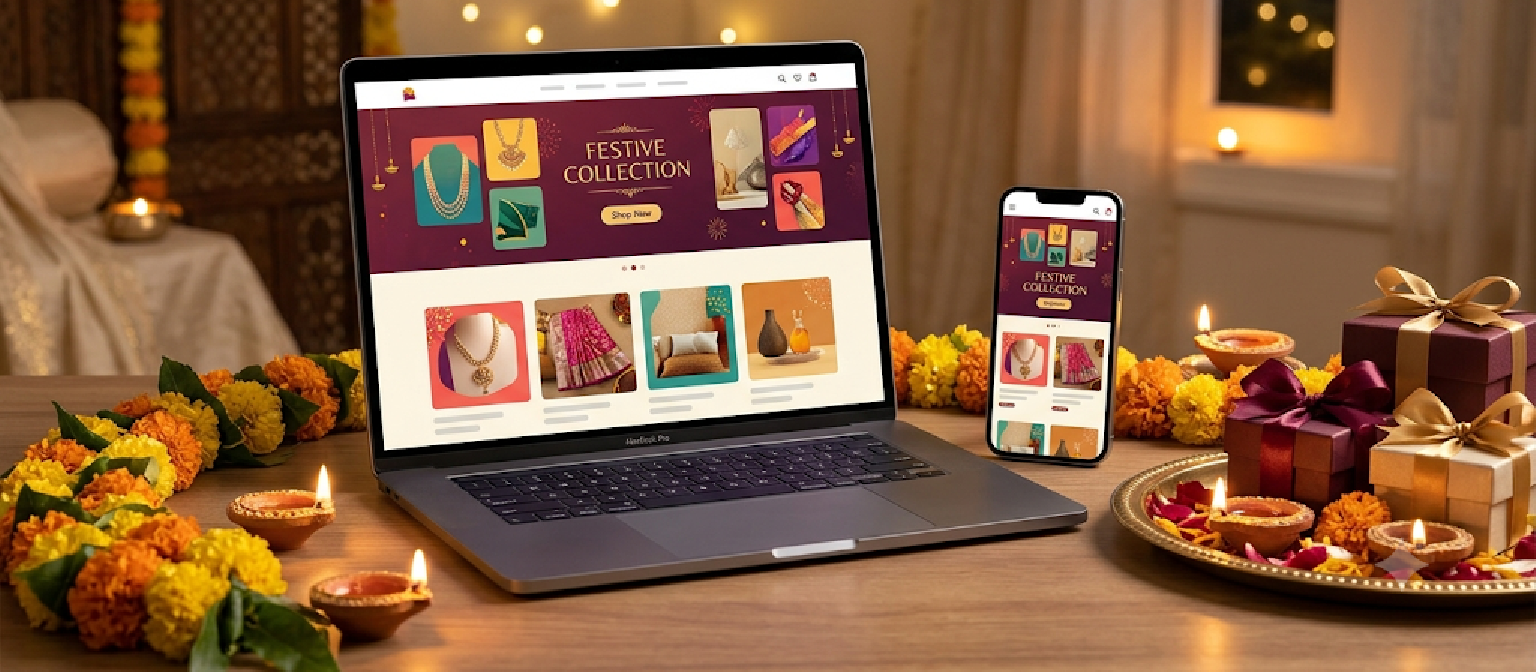
Festive shopping often involves finding products for different people, occasions and budgets. Dedicated collections can make this process easier by grouping relevant products into meaningful shopping experiences.
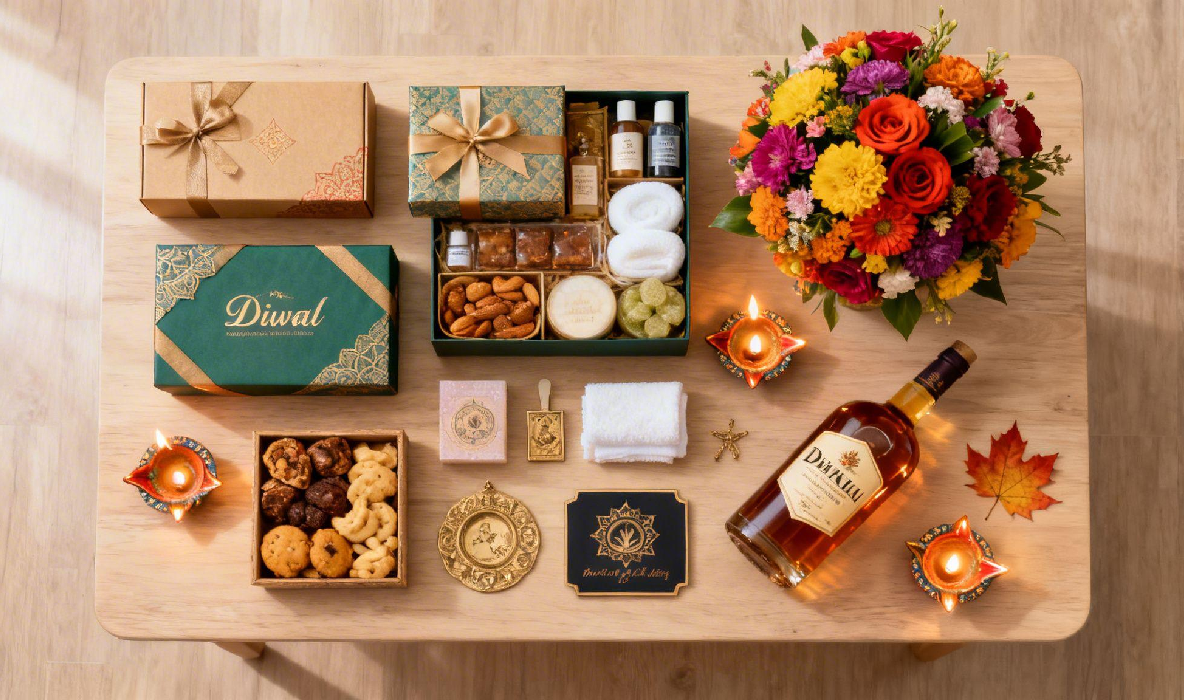
Instead of expecting customers to browse the entire catalogue, businesses can create curated collections for Diwali gifts, festive clothing, home decoration, corporate gifting, accessories or special product bundles.
Useful collection ideas include:
- Gift Collections by Budget: Organise products into practical price ranges so customers can find suitable gifts more easily.
- Personalised Gift Sections: Highlight products that offer customisation, names, messages or special packaging.
- Festive Bestsellers: Showcase popular products based on genuine sales or customer interest.
- New Festive Arrivals: Introduce recently added products through a dedicated collection.
- Bundle and Combo Offers: Present complementary products together when they provide genuine value.
Collection pages should include clear headings, relevant product images and useful descriptions. Avoid creating too many similar categories, as this can make navigation confusing.
Businesses can also create dedicated gift guides to support customers who are unsure what to purchase. A thoughtfully organised collection helps visitors discover suitable products and makes festive shopping feel more convenient.
6. Make the Website Mobile-Friendly and Performance-Focused
Mobile usability is essential for modern e-commerce websites. Customers frequently discover products through social media, search engines, advertisements and messaging applications on their smartphones. A website that is difficult to use on mobile devices can create friction throughout the shopping journey.
Responsive website design ensures that page layouts adapt to different screen sizes. Product images should fit the available space, text should remain readable and important buttons should be easy to tap. The shopping cart and checkout should also work smoothly on smaller screens.
Website speed is equally important. Large banners, uncompressed product images, unnecessary animations and excessive scripts can slow down the shopping experience.
Businesses should focus on:
- Responsive Layouts: Ensure that navigation, product grids and checkout adapt properly to smartphones and tablets.
- Image Optimisation: Compress product images and use modern formats where supported.
- Efficient Website Code: Reduce unnecessary scripts and remove unused design elements or plugins.
- Reliable Hosting: Choose hosting resources that suit the store's expected traffic and functionality.
- Performance Testing: Review important pages using tools such as Google PageSpeed Insights.
A fast and mobile-friendly website helps customers browse products comfortably and complete purchases with fewer interruptions. Businesses should test important shopping pages on multiple devices before launching festive promotions.
7. Simplify the Cart and Checkout Experience
A memorable shopping experience should continue beyond product discovery. Once customers decide what they want to purchase, the cart and checkout process should make ordering simple and transparent.
The shopping cart should clearly display selected products, quantities, variations, prices and applicable discounts. Customers should be able to update quantities or remove products without difficulty.
Checkout should request only the information necessary to process the order. Guest checkout can make purchasing easier for first-time customers, while returning customers may benefit from secure access to saved details.
Important checkout improvements include:
- Transparent Cost Breakdown: Show product prices, discounts, delivery charges, taxes and the final amount clearly.
- Multiple Payment Options: Support suitable payment methods such as UPI, cards, net banking and other available options.
- Simple Address Forms: Use clear fields and helpful validation messages to reduce input errors.
- Order Confirmation: Display a confirmation page and send appropriate order updates after successful submission.
- Visible Support Options: Make it easy for customers to find help if they experience payment or checkout difficulties.
Test the complete checkout journey before launching a festive campaign. Verify payment success and failure scenarios, discount codes, order notifications and mobile usability.
A straightforward checkout process reduces unnecessary effort and helps customers complete purchases with confidence.
8. Build Trust Through Reviews, Policies and Secure Shopping
Customers are more likely to purchase from an online store when they feel confident about the business, products and ordering process. Trust is especially important when new visitors discover a brand through a festive advertisement or promotional campaign.
Display genuine customer reviews, product ratings and relevant testimonials. For products where appearance or quality matters, customer photographs can provide additional context when used with appropriate permission.
Important business information should also be easy to access. Clearly explain shipping timelines, delivery charges, return and exchange conditions, refund procedures and customer support options.
Security should remain a priority throughout the shopping journey. Use HTTPS, maintain updated website software and integrate trusted payment providers. Protect administrative accounts with appropriate access controls and keep reliable backups.
Avoid misleading discounts, fake urgency messages or unsupported product claims. Promotional information should match the actual conditions offered by the business.
A trustworthy website does more than encourage an immediate purchase. It creates a positive impression that can support repeat orders and long-term customer relationships.
9. Personalise the Shopping Experience and Recommend Relevant Products

Personalisation can make an online store feel more relevant by helping customers discover products that match their interests. During festive seasons, businesses can use suitable website features to highlight relevant collections, related products and useful recommendations.
For example, a customer viewing a festive clothing collection may also be interested in matching accessories. Someone exploring home decoration products may find coordinated lighting or decorative bundles useful.
Consider these personalisation opportunities:
- Related Product Recommendations: Suggest complementary products based on the item currently being viewed.
- Recently Viewed Products: Help visitors return to products they explored earlier.
- Relevant Gift Suggestions: Organise recommendations around occasions, recipients or suitable budgets.
- Personalised Campaign Content: Present relevant collections or offers based on appropriate customer preferences.
- Cart Recommendations: Suggest useful complementary items without interrupting the checkout process.
Personalisation should be helpful rather than intrusive. Businesses must respect customer privacy and follow applicable consent and data-handling requirements when collecting or using customer information.
Measure whether recommendations improve meaningful outcomes such as product engagement, average order value and completed purchases. Relevant suggestions can make browsing more convenient while helping customers discover additional products.
10. Measure Performance and Keep Improving the Festive Store
Launching a festive e-commerce design is not the final step. Businesses should monitor how customers interact with the store and identify opportunities to improve the experience throughout the campaign.
Use analytics tools to understand traffic sources, popular products, category engagement, cart activity and completed orders. Review the pages where visitors leave and investigate possible issues with navigation, product information, website speed or checkout.
A/B testing can help compare different versions of important design elements, such as homepage banners, product layouts, promotional messages and CTA buttons. Make changes based on measurable results rather than assumptions.
Monitor operational performance as well. Keep track of product availability, order notifications, payment failures, delivery updates and customer support enquiries. Design improvements will have limited value if the underlying shopping process is unreliable.
After the festive campaign, review the results and collect customer feedback. Identify which collections attracted interest, which features were useful and where visitors experienced difficulties.
Use these insights to improve the online store for future promotions and regular shopping activity. A successful festive design should strengthen the website beyond a single seasonal campaign.
Conclusion
Festive e-commerce website design is about creating a complete shopping experience that combines attractive presentation with practical functionality. From engaging homepages and organised product collections to responsive layouts, simple checkout and trustworthy business information, every element influences how customers interact with an online store.
Businesses should focus on customer expectations instead of relying only on festive decorations and discount banners. A well-planned website makes product discovery easier, supports confident purchasing decisions and creates a positive impression of the brand.
At Vipul Pore & Co., we focus on professional website and e-commerce development solutions that help businesses build engaging, user-friendly online stores. With thoughtful design, reliable functionality and ongoing optimisation, businesses can create memorable festive shopping experiences and support long-term digital growth.