
Shopify Website Development Cost in India (2026–27): Themes, Apps, Customisation and Hidden Expenses
Shopify has become a popular option for businesses that want to launch an online store without managing a separate hosting server or building an entire e-commerce platform from scratch. It provides store management, product catalogues, checkout functionality, hosting and integrations through one platform.
However, the total Shopify website development cost in India involves more than selecting a subscription plan. Businesses also need to consider website design, theme customisation, paid apps, domain registration, payment gateway charges, product uploads, shipping integrations and ongoing maintenance.
A basic Shopify store may require a different investment from a customised e-commerce website with hundreds of products, advanced filters, marketing integrations and specialised functionality.
In this guide, we explain the major costs involved in developing a Shopify website in India during 2026–27, helping business owners plan their budgets and choose the right development approach.
1. Understanding Shopify Website Development Costs
Shopify website development involves two broad categories of expenses: the platform’s recurring subscription and the one-time or ongoing costs associated with creating and managing the store.
The subscription gives you access to Shopify’s e-commerce platform. Development expenses depend on the design, features, integrations and amount of customisation required.
For example, a small business selling a limited range of products may need a professionally configured theme, product pages, payment setup and shipping integration. A growing fashion or lifestyle brand may require custom collection layouts, product filters, size guides, promotional sections and marketing integrations.
Therefore, there is no single Shopify website development price that applies to every business. A reliable estimate should be based on the actual project scope, not simply the number of pages or products.
2. Shopify Subscription Plans and Monthly Charges in India
The Shopify subscription is one of the main recurring expenses. Shopify offers different plans for businesses at different stages of growth.
At the time of writing, Shopify's India pricing page lists the following annual-billing prices:
- Basic: ₹1,499 per month when billed yearly. This can be suitable for entrepreneurs and smaller businesses starting an online store.
- Grow: ₹5,599 per month when billed yearly. It offers additional staff accounts and a lower listed third-party payment-provider fee than Basic.
- Advanced: ₹22,680 per month when billed yearly. It is designed for businesses requiring more advanced reporting and additional capabilities.
- Shopify Plus: Starting from ₹1,75,000 per month. It is intended for larger and more complex commerce operations.
Monthly billing prices are higher than the displayed yearly-billing rates. Shopify currently lists ₹1,994 for Basic, ₹7,447 for Grow and ₹30,164 for Advanced when billed monthly. These prices and promotional offers can change, so confirm the current amount before purchasing.
The right plan depends on your order volume, team requirements, reporting needs and payment costs. A new store does not automatically need an advanced subscription. Starting with a suitable entry-level plan and upgrading when the business requires it can help control recurring expenses.
3. Shopify Theme Cost: Free Themes vs Paid Themes
A Shopify theme determines the store’s visual appearance, page layouts and many of its built-in design features. Businesses can choose from free themes or purchase a paid theme from the Shopify Theme Store or another trusted provider.
Free themes can be a practical starting point for new businesses. They can support professional storefronts when configured carefully, with consistent colours, typography, product photography and navigation.
Paid themes may offer additional layouts, product display options, promotional sections and design flexibility. However, purchasing an expensive theme does not automatically make a store more effective. The theme must match the brand, product catalogue and customer journey.
Businesses should also consider whether the theme supports mobile-friendly layouts, product variants, collection pages, filters and the required integrations.
If the available themes cannot deliver the desired experience, a developer can customise an existing theme or create a more tailored storefront. This increases development effort but can help the store reflect the brand more accurately.
4. Custom Shopify Store Design and Development Charges
Customisation is often a major part of the Shopify website development budget. A business may want a storefront that looks different from standard templates and provides a smoother shopping experience.
The development investment depends on how much work is required beyond the theme's existing capabilities.
- Theme setup and configuration: Installing the selected theme, setting brand colours, typography, navigation and essential storefront settings.
- Custom homepage design: Creating branded banners, promotional sections, featured collections, testimonials and product highlights.
- Product and collection layouts: Improving product presentation, image galleries, variant selection, filters and collection navigation.
- Custom functionality: Developing specialised features such as product bundles, custom product options, size guides or advanced shopping experiences.
- Responsive optimisation: Testing and refining the storefront across mobile phones, tablets and desktop screens.
- Quality assurance: Checking navigation, forms, cart behaviour, checkout flow, links and integrations before launch.
A store using a ready-made theme with limited changes generally requires less development effort than a fully customised storefront. Ask your developer to separate theme configuration, custom design and additional functionality in the quotation so you can understand what you are paying for.
5. Shopify Apps and Integration Costs

Shopify apps help extend store functionality without requiring every feature to be developed from scratch. Businesses use apps for reviews, email marketing, product recommendations, subscriptions, inventory, customer support, shipping and other operations.
Some apps offer free plans, while others charge monthly or usage-based fees. A store that depends on several paid apps can accumulate significant recurring expenses over time.
Before installing an app, check whether the feature is already available in Shopify or included in your theme. Also review its pricing structure, compatibility, support, data permissions and impact on storefront performance.
Common app categories include:
- Product reviews: Collect customer feedback and display ratings on product pages.
- Marketing automation: Support email campaigns, customer segmentation and promotional workflows.
- Search and filters: Help customers find products using categories, attributes and search terms.
- Shipping and fulfilment: Connect courier services, shipping rules and order processing.
- Customer support: Add chat, helpdesk and customer communication features.
- Product bundles: Create combinations, quantity offers and cross-selling experiences.
Avoid installing multiple apps that perform the same task. A carefully selected set of reliable integrations is usually easier to maintain than a store filled with unnecessary extensions.
6. Domain Name, Business Email and Other Essential Expenses
A professional domain name helps customers recognise and revisit your brand. Shopify provides a default myshopify.com store address, but most businesses prefer connecting a custom domain.
Domain registration is a recurring expense and the renewal price depends on the domain extension and registrar. If you already own a domain, it may be possible to connect it to Shopify instead of purchasing another one.
Business email is another consideration. A branded email address can make customer communication and order-related messages appear more professional. Depending on the email provider, this may involve a separate subscription.
Other expenses may include:
- Domain registration and renewal: The cost of purchasing and renewing your chosen domain.
- Business email: Professional email accounts for customer support, sales and administration.
- Branding assets: Logo design, product photography, banners, icons and other visual materials.
- Content preparation: Product descriptions, category content, policy pages and website copy.
- Legal and policy review: Preparing suitable privacy, refund, shipping and terms pages for your business.
- GST and applicable taxes: Confirm how taxes apply to subscriptions, services and other purchases with the relevant providers or your tax adviser.
These items may not all be included in a developer’s quotation. Clarify which assets and services you need to supply separately.
7. Payment Gateway Charges and Transaction Fees
Payment integration is essential for most online stores. Indian businesses may want to accept payments through UPI, cards, net banking and other supported methods.
Shopify supports third-party payment providers, and the payment gateway may charge its own processing fee. In addition, Shopify’s India pricing page lists separate third-party payment-provider fees by subscription plan: 2% for Basic, 1% for Grow and 0.6% for Advanced under the displayed annual-billing plans. Shopify Plus is listed at 0.2%.
These are Shopify’s listed third-party provider fees, not the payment gateway’s own processing charges. The total cost can therefore depend on both the Shopify plan and the gateway agreement. Check the current terms and the payment provider’s fee schedule before calculating margins.
For example, if your store receives a prepaid order, the applicable gateway processing fee and any Shopify third-party transaction fee may both affect the amount you retain. Refunds, settlement timelines, taxes and payment-method availability should also be reviewed.
Businesses should compare supported payment methods, settlement processes, refund handling and integration requirements before choosing a provider. Never estimate payment costs using only the subscription price.
8. Product Upload, Shipping, GST and Store Configuration
A Shopify store is not ready for customers simply because the homepage has been designed. Product information, order settings and fulfilment processes must also be configured correctly.
Product upload work can include preparing product titles, descriptions, prices, images, variants, SKUs, inventory quantities and collections. A store with a large catalogue may require structured data preparation or product migration from an existing platform.
Shipping configuration is equally important for Indian businesses. Depending on the business model, the store may need shipping zones, delivery rates, courier integrations, tracking notifications, local delivery rules or cash-on-delivery options.
Tax configuration should be reviewed according to the business’s registration status and applicable requirements. Shopify settings do not replace professional tax advice. Ask your accountant to verify the correct treatment of products, invoices and applicable GST obligations.
Before launch, test the complete customer journey—from product selection and cart updates to payment, order confirmation, fulfilment and customer notifications. This helps identify operational issues before real customers encounter them.
9. Shopify Website Maintenance and Long-Term Running Costs
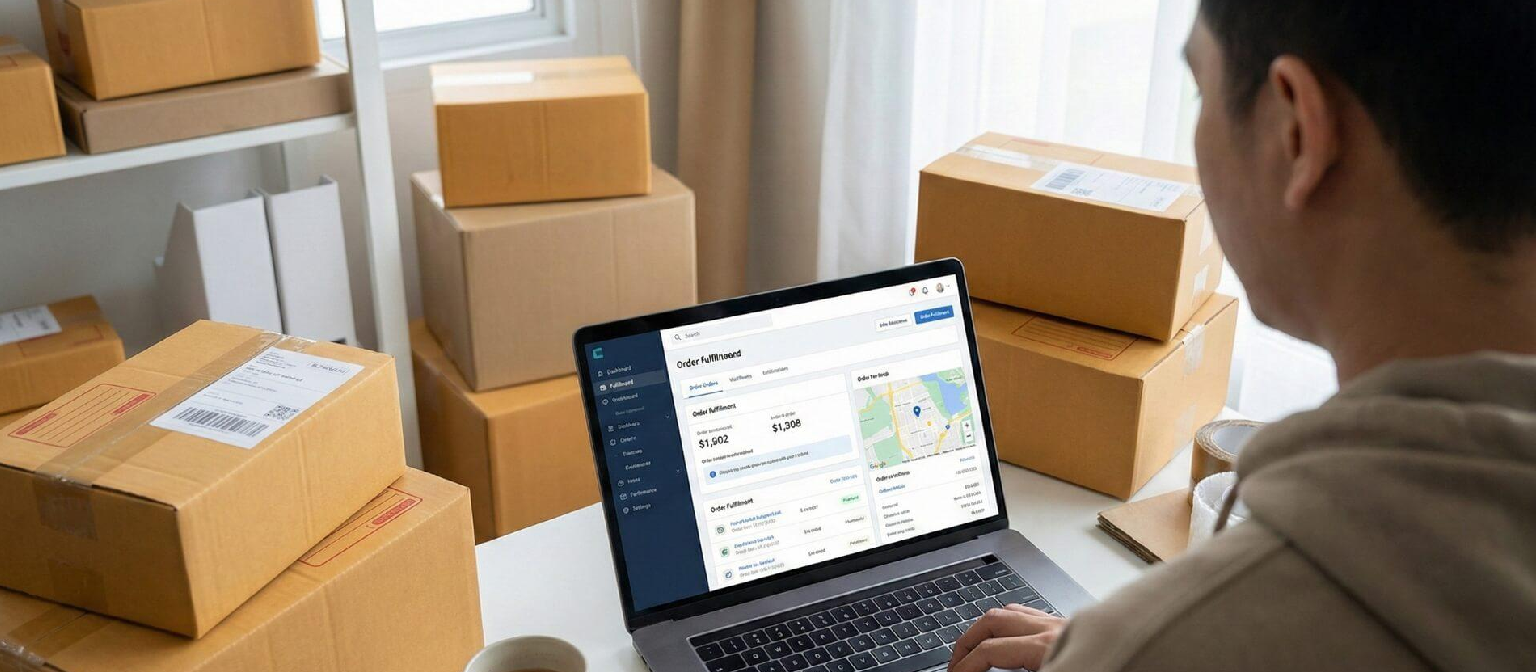
After launch, a Shopify store still needs regular attention. Businesses should monitor product information, app subscriptions, theme updates, integrations, customer experience and store performance.
Shopify manages the underlying hosted platform, but the business remains responsible for its storefront content, app choices, operational settings and many aspects of ongoing store management.
Long-term costs may include:
- Subscription renewals: The recurring Shopify plan charge.
- App subscriptions: Monthly or usage-based fees for selected integrations.
- Domain renewal: Annual renewal of the custom domain.
- Design improvements: Updates to banners, product layouts, landing pages and promotional sections.
- Technical support: Assistance with theme issues, integrations, bugs and new requirements.
- Marketing activities: Advertising, email campaigns, content creation and conversion optimisation.
A useful way to plan is to calculate the store’s total cost of ownership over twelve months. Include the initial development investment, subscriptions, apps, domain, payment charges, maintenance and marketing expenses.
This gives a more realistic picture than comparing development quotations alone.
10. How to Choose the Right Shopify Development Company in India
Choosing the right development partner can make a significant difference to the quality and maintainability of your online store. A low quotation may not include essential services such as mobile optimisation, product setup, payment testing or post-launch support.
Before selecting a Shopify developer, review their portfolio and look for relevant e-commerce projects. Ask how they approach store structure, theme selection, customisation, integrations and performance optimisation.
A professional proposal should clearly explain the project scope, deliverables, timeline, pricing, payment milestones and support arrangements. It should also clarify who owns the Shopify account, domain, theme licence, app subscriptions and any custom-developed assets.
Vipul Pore & Co. offers website design and development services, including Shopify and e-commerce solutions. Businesses planning a new online store can explore its Shopify website development services in Mumbai and Shopify development solutions.
The best development partner is not necessarily the one offering the lowest price. Choose a team that understands your products, customers and business goals, and can explain how the proposed store will support your growth.
Conclusion
The Shopify website development cost in India during 2026–27 depends on the subscription plan, theme, design requirements, custom features, apps, payment integrations and ongoing support.
A small business can begin with a suitable Shopify plan and a carefully configured theme. A growing brand may need more advanced customisation, integrations and operational workflows. Larger businesses should evaluate their transaction volume, team requirements and platform needs before choosing a higher-tier plan.
Before starting development, prepare a clear list of required features and request an itemised quotation. Consider both the initial build and the recurring expenses that will continue after launch.
A well-planned Shopify store should do more than display products. It should make shopping convenient, communicate your brand clearly and provide a reliable foundation for online business growth.