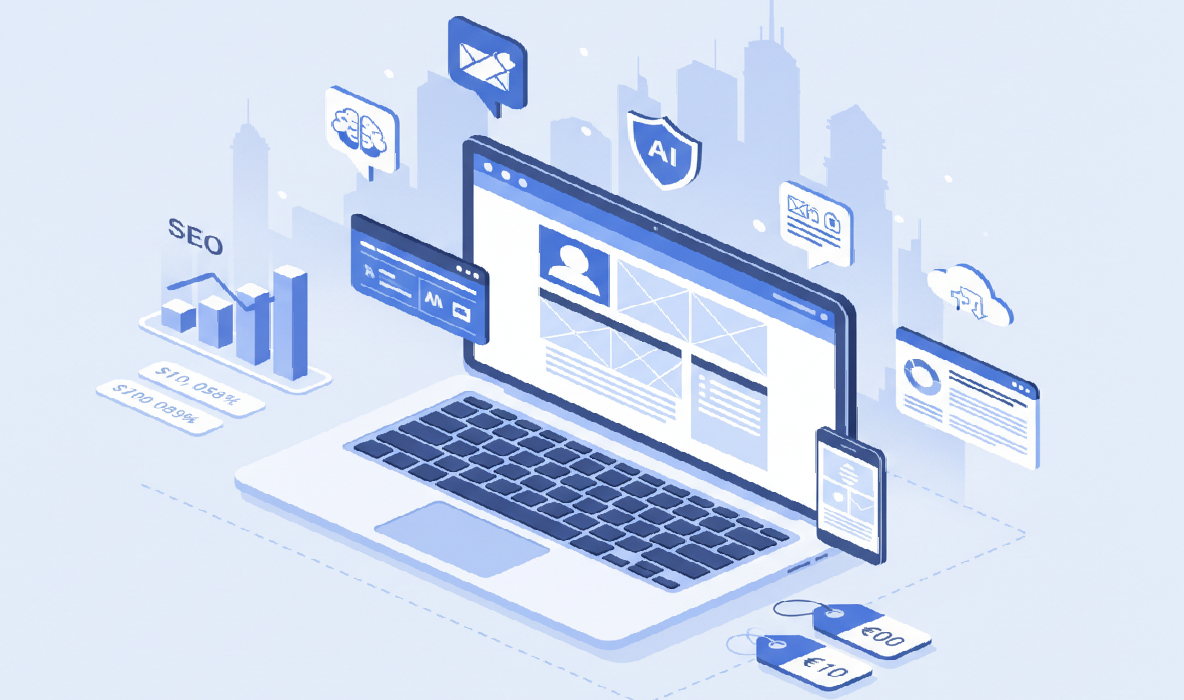
Web Development
Web Development : In 2026, a website is no longer just a digital visiting card. It is a sales engine, brand identity platform, customer service tool, and data collection system — all in one. With rapid technological advancements, AI-driven systems, evolving search engine algorithms, and increasing cybersecurity threats, building a website without proper planning can result in wasted investment. Website Designer in Mumbai
Choosing the right website designer in Mumbai is important for your business. A well-designed website not only improves branding but also increases conversions. If you’re looking for expert help, explore our Website Development Services to understand how we build high-performing websites.
A Complete Guide for Businesses Planning Digital Growth
In 2026, a website is no longer just a digital visiting card. It is a sales engine, brand identity platform, customer service tool, and data collection system — all in one. With rapid technological advancements, AI-driven systems, evolving search engine algorithms, and increasing cybersecurity threats, building a website without proper planning can result in wasted investment.
This is why web development consultation in 2026 is not optional — it is essential.
A professional consultation ensures that your website is strategically aligned with your business goals, target audience, marketing efforts, and long-term scalability plans. Let’s explore in detail why businesses must prioritize web development consultation before starting any digital project.
1. Technology Is Evolving Faster Than Ever
Web technologies in 2026 are far more advanced than even a few years ago. Modern websites now incorporate:
- Artificial Intelligence (AI)
- Machine Learning integrations
- Chatbots and automation
- Voice search compatibility
- Progressive Web Apps (PWAs)
- API-driven architecture
Without expert consultation, businesses may select outdated frameworks or incompatible tools. A web development consultant evaluates your requirements and recommends the right technology stack — whether it’s WordPress, Shopify, custom frameworks, headless CMS, or cloud-based architecture.
Proper technology selection ensures performance, scalability, and long-term sustainability.
2. AI-Driven Websites Require Strategic Planning
Artificial Intelligence is transforming websites into intelligent digital systems. From personalized recommendations to predictive analytics, AI enhances both user experience and business efficiency.
- Where AI should be integrated
- Which automation tools are necessary
- How to personalize user journeys
- How to analyze behavioral data
- How to maintain data privacy compliance
Without consultation, AI tools may be misused or underutilized, resulting in unnecessary costs and poor performance.
3. SEO Has Become More Complex in 2026
Search engine optimization is no longer limited to keywords and backlinks. In 2026, ranking on Google depends on:
- Core Web Vitals
- Page speed performance
- Mobile usability
- Structured data
- Voice search optimization
- AI-generated search summaries
- Content experience signals
- Clean URL structures
- Schema markup implementation
- Optimized meta tags
- Fast-loading pages
- Technical SEO readiness
Building SEO later is more expensive and less effective. Planning it during consultation saves time and money.
4. Mobile-First & Multi-Device Optimization Is Mandatory
In 2026, users browse websites across multiple devices — smartphones, tablets, desktops, smart TVs, and even voice assistants.
- Mobile-first design strategy
- Responsive development approach
- Cross-browser compatibility
- Performance optimization for slower networks
Without this planning, your website may look great on desktop but perform poorly on mobile, leading to high bounce rates and lost revenue.
5. Cybersecurity Risks Are Increasing
Cyberattacks, data breaches, and malware threats are growing globally. Businesses must protect customer data and maintain trust.
- SSL implementation
- Firewall configuration
- Secure hosting selection
- Regular backup systems
- GDPR and data privacy compliance
- Secure coding standards
Ignoring security during development can lead to expensive recovery costs later.
6. Clear Business Goal Alignment
One of the biggest mistakes businesses make is building websites without defining clear goals.
- Is the website for lead generation?
- Is it an e-commerce platform?
- Is it brand-focused?
- Is it meant for booking or appointment scheduling?
- What is the expected ROI?
By defining objectives early, the website can be structured to support specific conversion funnels and measurable KPIs.
7. Conversion Optimization Strategy
Traffic alone does not guarantee success. Your website must convert visitors into customers.
- Landing page planning
- CTA (Call-to-Action) placement
- Lead form optimization
- Funnel mapping
- Heatmap and analytics integration
- A/B testing strategies
This ensures that every design and content element supports revenue growth.
8. Cost Efficiency & Budget Planning
- Scope creep
- Unnecessary features
- Repeated revisions
- Technology mismatch
- Hidden costs
- Project scope
- Budget allocation
- Timeline
- Required features
- Maintenance costs
Strategic planning prevents overspending and ensures optimal ROI.
9. Scalability & Future-Proofing
Your business will grow — and your website must grow with it.
- Scalable hosting solutions
- Flexible CMS platforms
- API-ready architecture
- Cloud integration
- Performance monitoring systems
This prevents the need for rebuilding your website after a few years.
10. Integration With Marketing & Business Tools
- CRM systems
- Email marketing platforms
- Payment gateways
- Social media channels
- Analytics dashboards
- Inventory management systems
During consultation, integration planning avoids compatibility issues and ensures smooth business operations.
11. Competitive Analysis & Market Positioning
In competitive markets like Mumbai and other major business hubs, differentiation is key.
- Competitor website analysis
- UX benchmarking
- Content gap analysis
- Branding alignment
- Industry trend research
This allows your website to stand out rather than blend in.
12. Content Strategy & Information Architecture
Content plays a major role in SEO and engagement. Consultation helps define
- Website structure
- Navigation hierarchy
- Blog strategy
- Landing page content
- Service page optimization
Strong information architecture improves user experience and search visibility.
13. Long-Term Maintenance & Support Planning
Website launch is just the beginning. Regular updates, monitoring, and optimization are essential.
- Maintenance schedule
- Security patch planning
- Backup automation
- Performance tracking
- Future upgrade roadmap
This guarantees long-term stability and digital growth.
Final Thoughts: Web Development Consultation Is a Strategic Investment
In 2026, web development is no longer just about coding and design. It involves AI integration, SEO architecture, security planning, performance optimization, and conversion strategy.
- Reduce risks
- Save costs
- Improve performance
- Increase conversions
- Strengthen brand authority
- Stay ahead of competitors
Instead of starting development blindly, businesses should treat consultation as the foundation of their digital success.
If you are planning to build or upgrade your website in 2026, investing in professional web development consultation can make the difference between average results and long-term digital dominance.