Introduction
Your business website redesign plays an important role in creating a first impression, attracting potential customers, and building brand credibility. However, as technology advances and customer expectations change, an outdated website can affect your online visibility and business performance. A website that once worked well may no longer meet your audience’s needs.
A professional website redesign can improve user experience, strengthen your brand image, and support better conversions. By recognizing the warning signs early, you can identify areas that need improvement and create a website that supports your business goals.
1. Your Website Looks Outdated
Your website’s design influences how visitors perceive your business. Outdated layouts, inconsistent colours, old typography, low-quality images, and cluttered sections can make your brand appear less professional. Modern customers expect websites that are visually appealing, easy to navigate, and consistent with the company’s identity.
Key benefits include:
- Replace outdated layouts with a clean, modern design.
- Use consistent brand colours, fonts, and visual elements.
- Improve images, spacing, and content presentation.
A refreshed website design helps communicate professionalism and makes it easier for visitors to understand your business offerings.
2. Your Website Is Not Mobile-Friendly
Many customers use smartphones to research businesses, compare services, and make enquiries. If your website does not adapt properly to smaller screens, visitors may struggle to read content, navigate menus, or click important buttons.
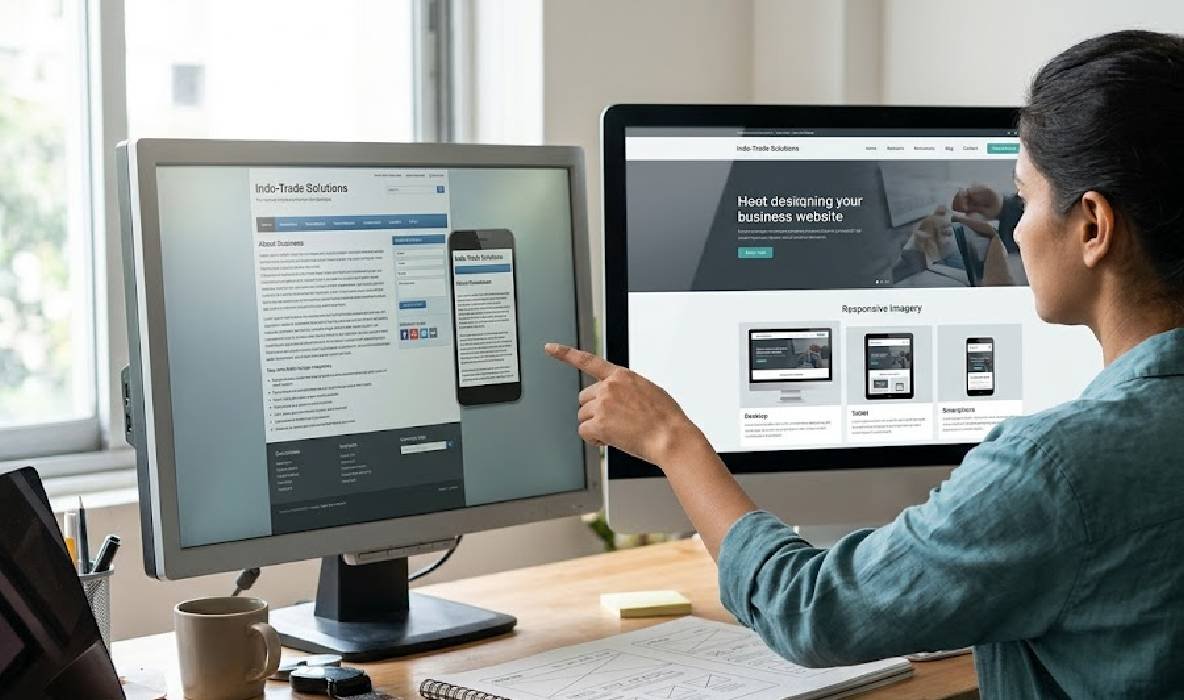
A responsive website redesign ensures that pages display correctly across smartphones, tablets, and desktops. Mobile-friendly navigation, readable text, appropriately sized buttons, and optimized images help create a smoother browsing experience and reduce unnecessary frustration.
3. Your Website Loads Too Slowly
Website speed directly affects the browsing experience. Visitors may leave if pages take too long to load, particularly when accessing your website on mobile devices or slower connections. Slow performance can also affect how search engines evaluate page experience.
Common causes include oversized images, unnecessary scripts, poor hosting performance, and excessive plugins. A redesign project should include performance testing, image optimization, efficient code, and appropriate caching. Improving loading speed helps visitors access information faster and supports a more effective website experience.
4. Your Website Has Poor Search Engine Visibility
If your website receives little organic traffic or struggles to appear for relevant searches, its structure and SEO may need attention. Missing page titles, weak content, broken links, poor internal linking, and technical issues can make it harder for search engines to understand your pages.
A website redesign provides an opportunity to improve page structure, organize service information, optimize metadata, and create useful content around relevant keywords. SEO should be planned before redesigning rather than added as an afterthought. Existing URLs and valuable content should also be protected to minimize potential ranking losses.
5. Your Website Does Not Generate Enough Leads

A website should help visitors take meaningful actions, such as requesting a quotation, booking a consultation, calling your business, or submitting an enquiry. If visitors arrive but rarely contact you, your website may not communicate your value clearly or guide users toward the next step.
Key benefits include:
- Add clear calls to action to important pages.
- Simplify contact forms and enquiry processes.
- Create dedicated pages for individual services.
- - Highlight relevant benefits, testimonials, and trust signals.
A conversion-focused redesign can make it easier for potential customers to understand your offerings and connect with your business.
6. Your Content Is Outdated or Difficult to Understand
Website content should accurately represent your current services, business details, expertise, and customer needs. Old information, unclear service descriptions, lengthy paragraphs, and confusing navigation can prevent visitors from finding what they need.
Review your website content regularly and remove information that is no longer relevant. Organize services into clear sections, use descriptive headings, and explain benefits in simple language. Updating content during a redesign also creates opportunities to strengthen SEO, answer customer questions, and communicate your business value more effectively.
7. Your Website No Longer Reflects Your Business Goals
Businesses evolve over time. You may introduce new services, target different audiences, expand into new markets, or update your branding. If your website still represents an earlier stage of your business, it may fail to support your current objectives.
A strategic redesign aligns your website with your latest business priorities. You can introduce new service pages, improve navigation, integrate enquiry tools, and create landing pages for marketing campaigns. Regular performance reviews help ensure your website remains relevant as your business continues to grow.
Conclusion
Recognizing the signs that your business website needs a redesign can help you improve its performance before outdated design, poor usability, or weak conversions become larger problems. From slow loading speeds and mobile usability issues to outdated content and limited lead generation, each warning sign highlights an opportunity for improvement.
A professional website redesign should focus on user experience, responsive design, SEO, speed, and business objectives. By planning carefully and protecting valuable existing content, you can create a modern website that strengthens your brand, attracts relevant visitors, and supports long-term business growth.