
B2B E-commerce Website Development: Build Powerful Wholesale Ordering Platforms
Business-to-business (B2B) e-commerce is transforming how manufacturers, wholesalers, distributors and suppliers sell products to other businesses. Instead of depending entirely on phone calls, emails, physical catalogues and manual order processing, companies can use dedicated online platforms to manage wholesale transactions. This makes it easier for business buyers to browse product catalogues, check pricing, place bulk orders and manage repeat purchases.
B2B e-commerce website development involves creating an online ordering platform designed specifically for business customers. Unlike traditional retail websites, wholesale platforms often require customer-specific pricing, minimum order quantities, bulk purchasing, quotation requests, account approvals and inventory integration. With the right technology and business-focused design, companies can simplify wholesale operations, improve order management and expand their reach to business buyers across different markets.
1. What Is B2B E-commerce Website Development and How Does It Work?
B2B e-commerce website development is the process of building an online platform where businesses can purchase products or services directly from manufacturers, wholesalers, distributors and suppliers. It allows registered business customers to browse product catalogues, view applicable prices and place orders through a digital purchasing system.
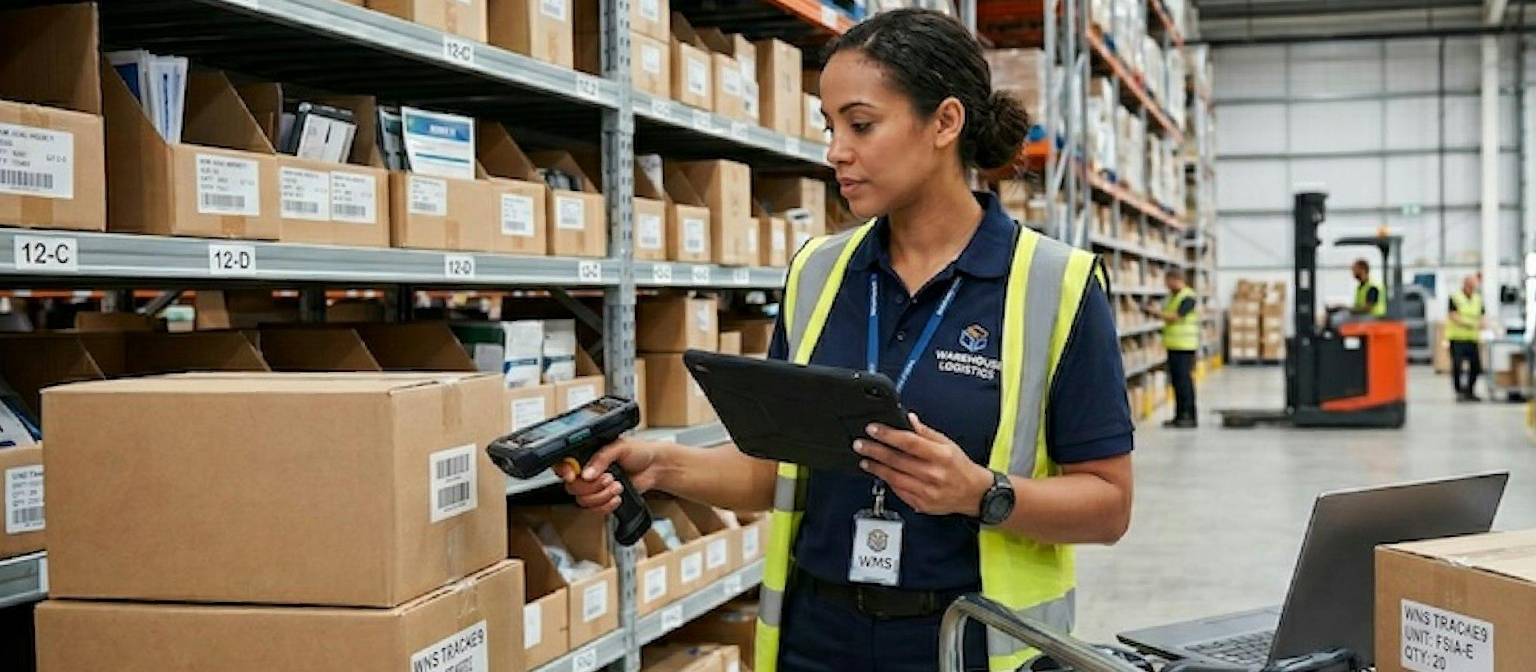
For example, a wholesale garment manufacturer may supply products to retailers across India. Instead of receiving orders individually through WhatsApp or phone calls, the manufacturer can provide an online platform where approved retailers log in, select products, check wholesale prices and submit bulk orders.
The website can manage customer accounts, product availability, order information, payment details and invoices through a centralised system. Depending on business requirements, it may also include quotation management, purchase order submission and integration with existing inventory software.
A professionally developed B2B ordering platform helps businesses digitise traditional wholesale operations while providing customers with a more convenient purchasing experience.
2. Why Manufacturers and Wholesalers Need a Dedicated B2B E-commerce Website
Traditional wholesale businesses often depend on manual processes for product enquiries, price discussions, order confirmations and repeat purchases. As the number of retailers and distributors increases, managing these activities individually can become time-consuming.
A B2B e-commerce website brings important business activities into one organised platform. Registered buyers can access relevant product information, review their pricing and place orders according to their purchasing requirements.
For example, a pharmaceutical distributor may work with several retailers who purchase different product quantities and follow different commercial arrangements. A customised ordering platform can manage approved customer accounts, applicable pricing and order information without requiring employees to prepare every order manually.
A dedicated wholesale website can also support businesses selling across different cities and regions. Buyers can access the digital catalogue, check product availability and submit orders without depending entirely on direct sales representatives.
For businesses looking to expand their wholesale operations, B2B e-commerce development provides a digital foundation for managing trade relationships and improving order accessibility.
3. Essential Features Every B2B E-commerce Website Should Include
A wholesale ordering platform requires functionality that supports the purchasing behaviour of business customers. Retail shopping features alone may not be sufficient because B2B buyers often purchase in larger quantities and follow negotiated pricing arrangements.
Important B2B e-commerce website features include:
- Business Registration and Account Approval: Allow companies and retailers to submit business details for verification before accessing wholesale purchasing facilities.
- Customer-Specific Pricing: Display different product prices, discounts and catalogues according to approved business accounts or customer groups.
- Bulk Ordering and Minimum Order Quantities: Allow buyers to purchase large quantities while applying minimum order requirements and suitable quantity increments.
- Quick Order and Repeat Purchasing: Help customers add multiple products efficiently, access previous orders and place repeat purchases.
- Quotation Management: Allow business buyers to request pricing quotations for large orders or products requiring special commercial terms.
These features make the purchasing process more suitable for wholesale customers and help suppliers manage business transactions more systematically.
4. Customer-Specific Wholesale Pricing and Bulk Order Management
Pricing is one of the most important differences between B2B and B2C e-commerce. A retail website generally displays standard product prices, whereas wholesale businesses may provide different prices according to customer relationships, purchase volumes and negotiated commercial agreements.
For example, a distributor purchasing 500 units may receive a different price from a retailer purchasing 50 units. Some customers may also receive special pricing based on their approved business account or contractual arrangements.
A B2B website can implement customer groups, tiered pricing, quantity-based discounts and minimum order restrictions. Buyers can log in to view their applicable product prices and purchasing conditions.
Bulk order management is equally important. Features such as quick order forms, SKU-based product searches, quantity selection and previous order history make it easier for regular customers to purchase multiple items.
Shopify’s official B2B documentation describes customer-specific catalogues, volume pricing and quantity rules. WooCommerce also supports wholesale configurations through suitable extensions. These capabilities can be selected according to the platform and business requirements.
5. Business Accounts, Purchase Orders and Flexible Payment Terms

Wholesale transactions often involve more detailed purchasing arrangements than individual retail orders. Different employees within the same customer company may be responsible for browsing products, preparing orders or approving purchases.
A B2B ordering website should therefore support structured business accounts and appropriate purchasing permissions. This allows suppliers to provide access to authorised buyers while maintaining control over customer information and commercial terms.
Useful account and payment capabilities include:
- Company Account Management: Maintain company profiles, business contact information, delivery addresses and approved customer details.
- Multiple Buyer Access: Allow authorised employees or purchasing teams to access the same company account with suitable permissions.
- Purchase Order Management: Accept purchase order references and maintain order records for business transactions.
- Credit Terms and Payment Conditions: Support approved payment arrangements such as advance payments, negotiated credit periods or other agreed terms.
- Quotation and Approval Workflows: Allow selected orders or special prices to be reviewed before confirmation.
For example, a retail chain purchasing inventory from a manufacturer may require an authorised manager to approve a purchase order before the supplier processes it.
These workflows should reflect actual business agreements. Credit facilities and payment terms should be granted only to customers who meet the supplier’s approval requirements.
6. Choosing the Right Technology for B2B E-commerce Website Development
Technology selection depends on the wholesale business model, product catalogue size, order complexity, integration requirements and long-term growth plans.
WooCommerce B2B Development can be suitable for businesses that want a flexible WordPress-based wholesale store. Suitable B2B extensions can support customer registration, role-based pricing, restricted product visibility, minimum order quantities and quotation workflows. The final functionality depends on the selected plugins and custom development.
Shopify B2B Development can be considered by suppliers looking for a hosted e-commerce environment. Shopify provides B2B capabilities such as company profiles, customer-specific catalogues, volume pricing and quantity rules, although some advanced capabilities and limitations depend on the selected subscription plan.
Custom PHP and Laravel Development is worth considering when a business requires specialised wholesale workflows, complex customer pricing, purchase order approvals, credit management or deep integration with existing business software.
Technologies such as React, Node.js, Laravel, MySQL and REST APIs may be used depending on the application architecture.
The right solution should be selected after evaluating development requirements, operating costs, platform limitations, integrations and maintenance needs rather than choosing technology based only on popularity.
7. Inventory, ERP and Accounting Integrations for Wholesale Businesses
Inventory management becomes more complicated when a wholesale company handles large product catalogues, multiple warehouses and regular bulk orders. Maintaining separate records across different systems can result in outdated stock information and order processing errors.
Integrating a B2B e-commerce website with suitable business software helps connect online orders with inventory, accounting and operational workflows.
Important integrations include:
- Inventory Management: Synchronise product stock and availability between the website and connected inventory systems.
- ERP Integration: Connect sales orders, customer accounts and business information with the organisation's enterprise resource planning software.
- Accounting Integration: Support relevant financial records, invoicing and transaction information through connected accounting applications.
- Shipping and Logistics Integration: Connect suitable delivery services for shipping calculations, dispatch information and shipment tracking.
- Customer Relationship Management: Share relevant buyer and enquiry information with CRM systems for sales and relationship management.
For example, when a registered retailer places a wholesale order, the website can send the order information to the connected business system. Inventory and order records can then be updated according to the configured integration.
Reliable integration requires suitable APIs, validation and error-handling processes. Businesses should also identify which system acts as the primary source for important information such as stock quantities and product prices.
8. User Experience and Mobile-Friendly Wholesale Ordering
A B2B e-commerce website should make bulk purchasing convenient for business customers. Many wholesale buyers regularly order the same products, compare different product categories and manage larger shopping baskets.
The website should therefore prioritise straightforward navigation, efficient product discovery and a clear ordering process. Search functionality should support useful product identifiers such as names, SKUs, categories and applicable filters.
Mobile responsiveness is also important because buyers and sales representatives may access the platform through smartphones and tablets while working outside their offices.
A well-designed wholesale ordering experience should present relevant prices, quantity rules, stock information and delivery details clearly. Returning customers should be able to access their previous orders, review invoices where supported and repeat purchases without entering every product manually.
The overall interface should balance professional visual design with practical functionality. A wholesale platform is not simply a digital product catalogue; it should support the actual purchasing workflow of business customers.
9. Security, GST Invoicing and Scalability in B2B E-commerce Platforms
A wholesale website may handle business customer information, purchase orders, financial details and commercial agreements. Protecting this information is essential for maintaining reliable business operations.
The platform should provide secure authentication, appropriate user permissions, HTTPS communication and regular data backups. Customer-specific prices and restricted catalogues should only be accessible to authorised accounts.
For Indian businesses, GST-related requirements and invoicing workflows should also be considered during development. Depending on the transaction and applicable tax rules, the platform may need to manage GST details, relevant HSN information, tax calculations and invoice records.
Important implementation considerations include:
- Secure Business Accounts: Restrict access to private catalogues, negotiated prices and customer-specific records.
- GST and Invoice Management: Configure applicable tax information and GST-compliant invoice processes with professional verification.
- Order Data Protection: Protect purchase orders, customer records and financial information using appropriate access controls.
- Performance Optimisation: Plan for large product catalogues, multiple business accounts and frequent order activity.
- Scalable Infrastructure: Choose hosting, databases and integrations that can support business growth and increased transaction volumes.
Businesses should review current GST requirements with a qualified tax professional before implementing their invoicing and tax calculation workflows.
10. How to Build and Launch a Successful B2B Wholesale Ordering Platform
Building a successful B2B e-commerce website begins with understanding the company’s existing wholesale operations. Businesses should identify their buyer categories, product catalogue structure, pricing rules, minimum order quantities, payment arrangements and delivery processes.
The next stage involves preparing a development plan that includes buyer registration, product browsing, bulk ordering, account management and administrative functionality. Technology should then be selected according to the complexity of the business model and its integration requirements.
Design and development should focus on both the buyer experience and the supplier’s administration workflow. Testing should cover customer approvals, pricing rules, bulk purchases, quotation requests, invoices, order processing and inventory synchronisation.
Before a full launch, the platform can be tested with selected wholesale customers to identify usability issues and operational gaps. Their feedback helps improve the ordering process before more business accounts are introduced.
After launch, businesses should monitor website performance, order accuracy, customer activity and integration reliability. Regular improvements help ensure that the wholesale platform continues to support the company’s evolving commercial requirements.
Conclusion
B2B e-commerce website development helps manufacturers, wholesalers and distributors transform traditional purchasing processes into structured online ordering experiences. From customer-specific pricing and bulk order management to purchase orders, inventory integration and GST-related invoicing, each feature should support the actual requirements of business buyers.
Choosing between WooCommerce, Shopify and custom PHP or Laravel development depends on the organisation’s commercial workflows, technical needs and future growth plans. A well-developed wholesale ordering platform can simplify purchasing, improve order visibility and help suppliers serve business customers across wider markets.
At Vipul Pore & Co., businesses can explore custom B2B e-commerce website development solutions designed around wholesale pricing, bulk ordering, buyer accounts and business integrations. With the right technology, user experience and development strategy, a wholesale ordering platform can become a valuable foundation for expanding digital trade operations.