
Subscription-Based E-commerce Website Development: Build a Recurring Revenue Business Model
E-commerce businesses traditionally depend on individual purchases, where customers visit an online store, select products and complete separate transactions. However, changing customer preferences have created opportunities for businesses to offer products and services through recurring subscription plans. From monthly skincare deliveries and grocery essentials to digital memberships and specialised product boxes, subscription-based shopping provides customers with convenient purchasing options while helping businesses develop ongoing customer relationships.
Subscription-based e-commerce website development involves building an online store that supports recurring purchases, scheduled billing, subscription management and automated order processing. Unlike a standard e-commerce website, a subscription platform needs functionality for renewal schedules, payment authorisation, customer account management and recurring order fulfilment. With the right technology and business model, companies can create a more organised purchasing experience and work towards developing predictable recurring revenue.
1. What Is Subscription-Based E-commerce Website Development?
Subscription-based e-commerce website development is the process of creating an online store where customers can purchase products or services through recurring payment plans. Instead of completing a separate checkout for every purchase, customers subscribe to an agreed plan that provides products or services at defined intervals.
For example, a coffee brand can allow customers to subscribe to monthly coffee deliveries. After selecting a subscription plan, customers receive their preferred products according to the agreed delivery schedule and payment arrangement.
Subscription websites can also serve businesses offering digital services, premium memberships, educational resources and exclusive product access. The platform manages subscription details, billing schedules, renewal orders and customer account information.
Unlike a conventional online store, a subscription e-commerce website must manage an ongoing relationship between the customer and the business. This makes subscription management, payment processing and customer communication important parts of the development process.
2. Why Businesses Are Adopting Subscription-Based E-commerce Models
Subscription commerce gives businesses another way to generate sales beyond one-time purchases. It can help organisations build longer-term customer relationships by making repeat purchasing easier and more convenient.
For example, a business selling pet food may allow customers to schedule monthly deliveries instead of placing separate orders whenever supplies run low. Customers benefit from convenience, while the business can use subscription information to improve demand forecasting and fulfilment planning.
Subscription models can also support customer retention because subscribers interact with the business through recurring deliveries, membership benefits or continuous services.
However, recurring revenue should not be treated as guaranteed revenue. Subscription businesses must still manage customer cancellations, failed payments, fulfilment costs, product quality and customer satisfaction.
A successful subscription website needs to offer continuing value that gives customers a genuine reason to maintain their subscriptions.
3. Different Subscription Business Models for E-commerce Websites
Choosing the right subscription model depends on the products, target audience and purchasing behaviour of customers. Different industries can use different subscription structures to provide convenience, exclusive benefits or recurring access.
Popular subscription business models include:
- Replenishment Subscriptions: Customers receive frequently used products such as groceries, coffee, personal care items or pet supplies at scheduled intervals.
- Subscription Box Model: Customers receive curated collections of products according to a selected plan, such as monthly beauty boxes or speciality food packages.
- Membership Subscriptions: Customers pay recurring fees to access exclusive discounts, premium benefits, special content or members-only products.
- Digital Service Subscriptions: Businesses provide ongoing access to software, online courses, digital resources or professional services through recurring plans.
- Prepaid Subscriptions: Customers pay in advance for a defined subscription period and receive products or services according to the agreed schedule.
For example, a wellness brand might provide monthly self-care boxes, while an educational business could offer yearly access to premium learning resources.
The subscription model should match the product’s usage frequency and customer expectations. A suitable structure makes the offer easier to understand and manage.
4. Essential Features Every Subscription E-commerce Website Should Include
A subscription-based online store needs functionality that supports both the initial purchase and future renewal activities. Customers should be able to understand their selected plan, manage subscriptions and access clear information about upcoming payments.
The website should also give administrators the necessary tools to monitor subscribers, billing activity and fulfilment schedules.
Important subscription website features include customer registration, recurring purchase options, flexible billing intervals, subscription plan selection and automated renewal order management. Customers should also have access to an account area where they can review subscription status and relevant payment information.
A well-designed subscription store should support plan upgrades or downgrades where applicable, along with options to pause, resume or cancel subscriptions according to the business’s policies.
Administrators may also require subscription reports, renewal notifications, customer management and failed-payment monitoring. These features help businesses maintain visibility over ongoing subscription activity.
The exact functionality depends on the type of products being sold and the capabilities of the selected e-commerce platform and payment provider.
5. Recurring Payment Integration and Automated Subscription Billing

Recurring payments are central to a subscription-based business model. The website must connect with a payment solution that supports the required billing arrangement and can process authorised renewal transactions according to the agreed schedule.
Payment integrations should support initial subscription payments, renewal processing, payment status updates and relevant customer notifications.
Important recurring billing capabilities include:
- Scheduled Billing: Configure weekly, monthly, quarterly or yearly billing intervals according to the subscription plan.
- Payment Authorisation: Obtain the required customer approval or mandate through the supported recurring payment process.
- Automatic Renewals: Process eligible recurring payments according to the subscription agreement and payment provider capabilities.
- Failed Payment Handling: Notify customers about unsuccessful renewals and provide suitable payment recovery options.
- Transaction Records: Maintain billing history, payment confirmations, refunds and renewal information.
For Indian businesses, payment providers such as Razorpay offer subscription solutions with supported recurring payment methods, including eligible card, UPI and mandate-based arrangements. The available methods and requirements depend on provider onboarding and applicable payment regulations.
Businesses should also consider the RBI framework for recurring transactions and the applicable authentication and mandate requirements. A recurring payment integration should never assume that simply storing a customer’s payment details is sufficient authorisation for future charges.
6. Choosing the Right Technology for Subscription E-commerce Development
The selected e-commerce platform influences subscription functionality, development flexibility, maintenance requirements and operating costs. Businesses should compare technology according to their subscription model rather than choosing a solution based only on initial setup convenience.
WooCommerce Subscription Development can be suitable for businesses using WordPress. The official WooCommerce Subscriptions extension supports recurring products and services, scheduled renewals, subscriber management and compatible payment gateway integrations. It is a premium extension, so its licensing cost and gateway compatibility should be considered.
Shopify Subscription Development is another option for brands looking for a hosted e-commerce platform. Shopify supports subscription purchase options through its subscription functionality and compatible applications. Businesses can offer recurring product purchases, prepaid options and different billing and delivery arrangements depending on the selected integration.
Custom Subscription E-commerce Development is worth considering when businesses require specialised billing rules, customer portals, complex subscription changes, business-specific workflows or connections with existing software.
Technologies such as PHP, Laravel, React and REST APIs can be selected according to the architecture and integration requirements.
There is no single best platform for every subscription business. The right approach should consider recurring billing compatibility, payment methods, customer management, scalability and long-term maintenance.
7. Subscription Plans, Pricing Strategies and Customer Flexibility
Pricing directly influences how customers evaluate a subscription offer. Businesses should create plans that communicate their value clearly while allowing customers to select options that match their needs.
A subscription website can offer different product quantities, billing frequencies, membership levels or delivery schedules depending on the business model.
Important subscription pricing considerations include:
- Monthly and Annual Plans: Offer suitable billing periods so customers can choose an arrangement that matches their preferences.
- Tiered Subscription Pricing: Provide basic, standard and premium plans with clearly differentiated features or benefits.
- Volume-Based Discounts: Offer suitable savings for customers selecting larger quantities or longer subscription commitments.
- Trial and Introductory Offers: Provide clearly explained promotional periods or introductory pricing where commercially appropriate.
- Flexible Subscription Changes: Allow customers to manage eligible plan upgrades, downgrades, delivery schedules or subscription quantities.
For example, a monthly wellness product subscription could provide a standard plan with one product and a premium plan with additional items. Customers can select the option that best fits their requirements.
Pricing should account for product costs, shipping, payment processing fees, customer support and expected subscription retention. Attractive introductory pricing is useful only when the business can maintain sustainable margins over time.
8. Customer Subscription Management, Renewals and Retention
Subscription customer management continues long after the initial purchase. Customers need convenient ways to review their plans, manage account information and understand upcoming deliveries and payments.
A customer subscription dashboard should display active plans, billing frequency, next renewal information, previous transactions and relevant account details. Where supported, customers should be able to pause, resume, update or cancel their subscriptions.
Automated notifications also play an important role. Renewal reminders, payment confirmations, failed-payment alerts and delivery updates help customers stay informed about their subscriptions.
For example, a subscriber receiving monthly personal care products may need to change a delivery address or adjust a product quantity. Providing these options through the account dashboard creates a more manageable customer experience.
Businesses should also monitor cancellations and failed renewals to understand why subscribers leave. Genuine feedback, reliable fulfilment and responsive support can help identify areas for improvement.
Customer retention depends on continuing product value and service quality, not merely on automated billing.
9. Subscription Analytics, Revenue Tracking and Common Challenges
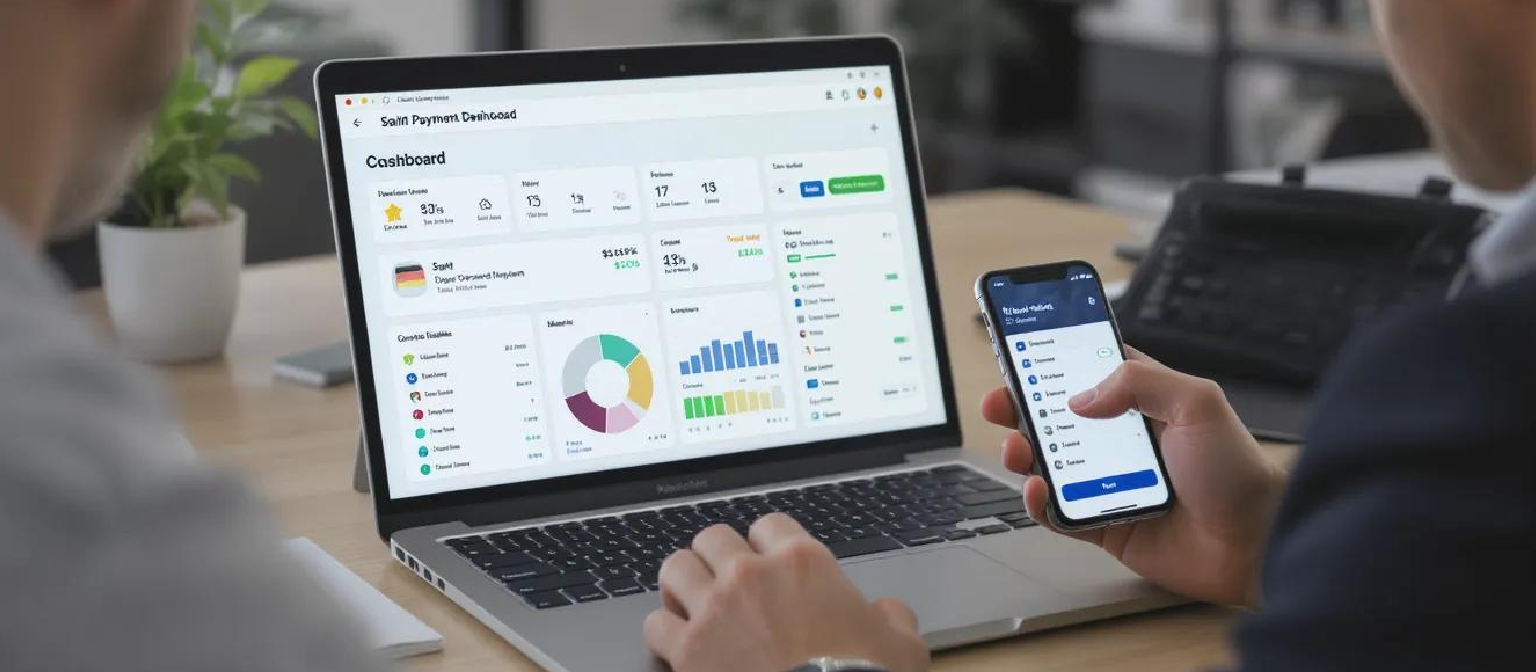
A subscription e-commerce website should provide useful reports that help businesses understand their recurring sales and customer activity. Tracking subscriptions requires more than looking at total monthly orders because each customer may follow a different billing schedule.
Businesses should monitor important subscription indicators such as monthly recurring revenue, active subscribers, customer churn, renewal success and average subscription value.
Common subscription management challenges include:
- Payment Failures: Declined or unsuccessful recurring payments can interrupt subscriptions and require a suitable recovery process.
- Customer Churn: Subscribers may cancel because of pricing, changing needs, product quality or an unsatisfactory experience.
- Inventory Planning: Recurring orders require coordination between subscription schedules and available product stock.
- Renewal Management: Incorrect billing dates, failed notifications or inaccurate subscription records can create customer service problems.
- Revenue Forecasting: Businesses need to distinguish active subscription commitments from actual collected payments and account for cancellations or failed renewals.
A subscription analytics dashboard can help business owners understand customer behaviour and identify operational issues. However, metrics should be interpreted according to the company’s billing cycle, accounting policies and business model.
Regular reporting and monitoring support better planning and more informed decisions about subscription growth.
10. How to Develop and Launch a Successful Subscription E-commerce Website
Building a subscription-based online store begins with defining the business model and understanding what customers will receive through their subscriptions. Businesses should identify their products, target audience, delivery frequency, pricing structure and customer retention approach before selecting a platform.
The next step involves planning the user experience and subscription functionality. This includes product pages, plan selection, checkout, account dashboards, billing schedules, customer notifications and administrative management.
Development then connects the selected e-commerce platform with the required subscription extension or custom billing system. Payment gateway integration must be tested for initial payments, authorised renewals, failed transactions and subscription changes.
Businesses should also test order creation, stock adjustments, renewal notifications and customer cancellation workflows before launching the store.
A limited launch with selected customers can help identify problems in the purchasing experience and recurring delivery process. After launch, subscription analytics, customer feedback and payment reports should guide future improvements.
A carefully planned implementation helps create a subscription platform that supports both customer convenience and ongoing business operations.
Conclusion
Subscription-based e-commerce website development gives businesses an opportunity to offer products and services through recurring purchase arrangements rather than relying exclusively on individual transactions. From subscription boxes and replenishment products to digital memberships and recurring services, the right platform can support automated billing, renewal management and ongoing customer relationships.
Choosing between WooCommerce, Shopify and custom subscription e-commerce development depends on billing requirements, product type, payment integration and business objectives. A successful subscription website must combine flexible plans, reliable payment processing, convenient customer management and consistent service quality.
At Vipul Pore & Co., businesses can explore professional e-commerce website development and custom integration solutions designed around their subscription products, recurring billing requirements and customer experience goals. With the right technology and development strategy, a subscription-based online store can become a valuable foundation for building lasting customer relationships and recurring business opportunities.