
E-commerce Returns and Exchange Management System: Simplify Post-Purchase Operations
Managing an online store does not end when a customer completes a purchase. Businesses must also handle product returns, exchange requests, refunds, damaged deliveries and customer complaints. When these activities are managed manually through emails, phone calls and spreadsheets, the process can become time-consuming and difficult to track. This is where an e-commerce returns and exchange management system becomes valuable.
An e-commerce returns management system provides a structured way to handle post-purchase activities through a centralised digital platform. It allows customers to submit return requests, select replacement products, check request status and receive updates, while administrators manage approvals, reverse pickups, inspections and refunds. For growing online businesses, a properly developed returns and exchange system can simplify operations, improve customer communication and create a more organised shopping experience.
1. What Is an E-commerce Returns and Exchange Management System?
An e-commerce returns and exchange management system is a digital solution that helps online businesses manage products customers want to return or exchange after delivery. It connects customer requests with internal order management, inventory, payment processing and shipping operations.
For example, imagine a customer purchasing a pair of shoes from an online store and receiving the wrong size. Instead of contacting customer support repeatedly, the customer can visit a return portal, select the order, choose an exchange reason and request a replacement size.
The store administrator can review the request, approve the exchange, arrange a reverse pickup and coordinate the replacement shipment. The system can maintain the complete request history so that both customers and employees can track its progress.
Depending on the business requirements, the platform can support return eligibility checks, exchange management, partial refunds, return labels, inspection records and automated notifications.
The goal is to make post-purchase operations more organised while providing customers with clear information about what happens after they submit a request.
2. Why Online Businesses Need Automated Returns and Exchange Management
As an e-commerce business grows, the number of post-purchase requests can increase. Managing each return individually through emails and manual spreadsheets can create delays, duplicate communication and inaccurate order records.
A structured returns management platform helps businesses centralise these activities. Customers can submit requests through a dedicated interface, while administrators review and manage them from one dashboard.
For example, a fashion brand selling hundreds of clothing products may receive exchange requests because customers select incorrect sizes. A dedicated system can organise requests by order number, product, return reason and current processing status.
Automation also helps businesses apply consistent return rules. Depending on the configured policy, certain products may be eligible for exchange within a specified period, while others may have different conditions.
A properly designed system improves internal coordination between customer support, warehouse staff, inventory managers and finance teams. It also helps businesses understand why products are returned and identify recurring issues related to sizing, product quality or delivery accuracy.
3. Essential Features of an E-commerce Returns Management System
A professional returns and exchange platform should provide useful functionality for customers and administrators. The features should make it easier to submit requests, verify eligibility and manage the complete process.
Important e-commerce returns management features include:
- Customer Return Portal: Allow customers to access previous orders, select eligible products and submit return or exchange requests.
- Return Eligibility Rules: Configure request periods, product conditions, return reasons and applicable business policies.
- Return and Exchange Management Dashboard: Give administrators a central interface to review, approve, reject and monitor requests.
- Refund Processing: Support full or partial refunds according to the approved return and payment gateway capabilities.
- Request Status Tracking: Display updates such as Request Submitted, Approved, Pickup Scheduled, Item Received, Inspected and Completed.
For example, a customer returning a damaged electronic product should be able to select the relevant item, upload supporting photographs where required and receive updates as the request progresses.
These features create a structured post-purchase workflow and help businesses manage requests more consistently.
4. How Customer Return Portals Improve the Post-Purchase Experience
A customer return portal provides a convenient place for shoppers to manage return and exchange requests without depending entirely on customer support.
Customers can access their orders through an account or supported order-verification process, identify the product they want to return and submit the required information.
The portal can collect details such as the return reason, product condition, preferred resolution and supporting photographs. The available options should depend on the company’s return policy and the type of product.
For example, a customer who receives a damaged household product may submit photographs with the request, while someone who needs a different clothing size may select an exchange option.
A well-designed portal should also communicate eligibility rules, expected processing stages and relevant shipping instructions. Customers should not have to guess whether a request has been received or whether a return pickup has been arranged.
Shopify supports self-serve return and cancellation requests through eligible customer account workflows. Its administrators can review requests and manage the applicable return process through the store’s order management interface. The exact exchange and customer-account capabilities depend on the configuration.
5. Automating Return Requests, Approvals and Exchange Workflows

Automation can reduce repetitive administrative work by managing routine activities according to predefined business rules. Instead of processing every request from the beginning, employees can review requests that require approval or additional attention.
A returns workflow can include the following activities:
- Automatic Request Validation: Check order details, delivery dates, product eligibility and applicable return conditions.
- Approval Notifications: Inform administrators when new requests require review and notify customers when decisions are made.
- Exchange Product Selection: Allow customers or support employees to select an eligible replacement product, size or colour.
- Pickup Scheduling: Connect approved requests with suitable courier services for reverse shipment arrangements.
- Automated Status Updates: Send relevant notifications when products are collected, received, inspected or marked for refund or replacement.
For example, when a customer submits an exchange request for an eligible product, the system can validate the order and notify the returns team. After approval, the appropriate reverse pickup process can begin.
Not every request should be automatically approved. Requests involving damaged products, unusual conditions, high-value orders or policy exceptions may require manual inspection.
6. Reverse Logistics and Inventory Management for Returned Products
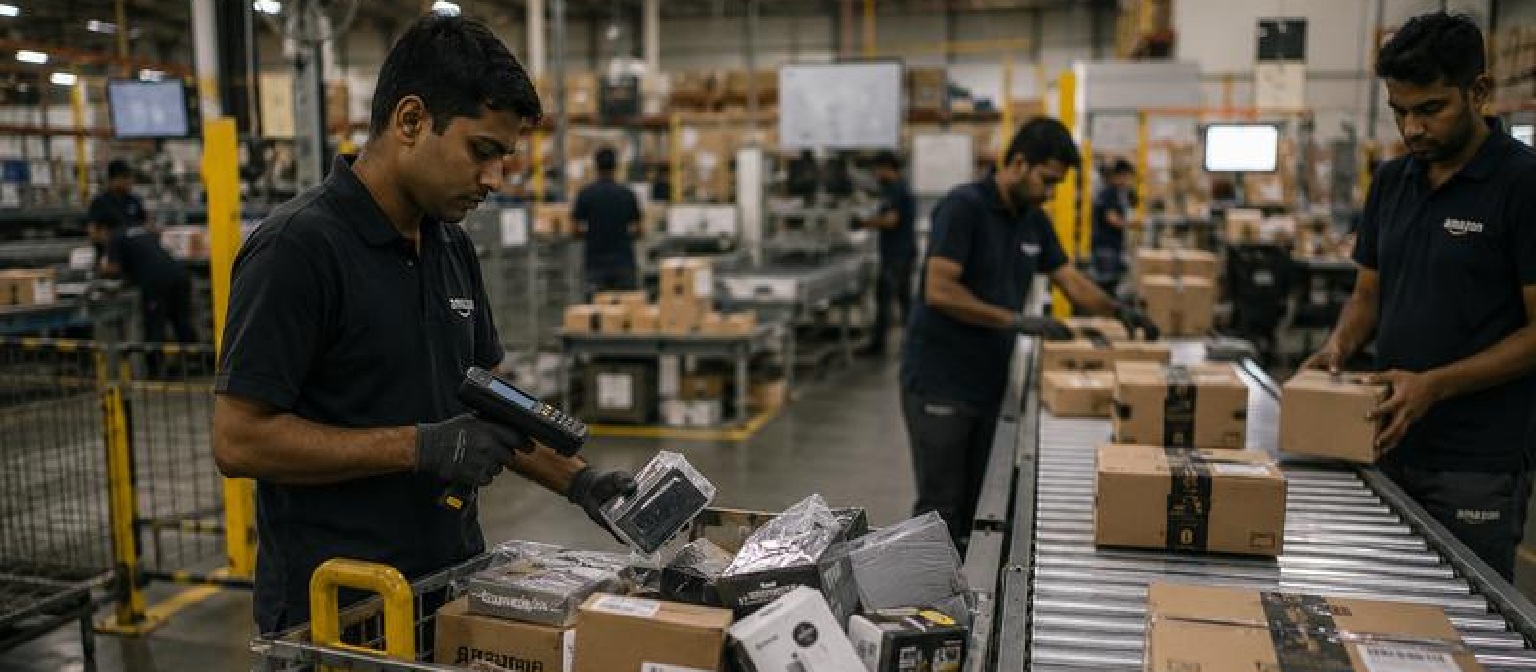
Reverse logistics refers to the movement of products from customers back to a business through return, exchange, repair or other recovery processes. It is an important part of e-commerce returns management because physical products must be transported, received and evaluated before the request can be completed.
After a returned product reaches the warehouse, employees may need to inspect its condition and decide whether it can be restocked, repaired, replaced or disposed of according to business procedures.
Inventory management should reflect the actual condition of returned items. A product that has been returned should not automatically become available for sale until its condition and stock status have been verified.
For example, a returned fashion product may be eligible for resale after inspection, while damaged packaging or used items may require a separate inventory status.
Shipping integration can also help coordinate reverse pickups, courier tracking and return shipment records. Platforms such as Shopify allow merchants to create and manage return information, while compatible logistics integrations can extend the process according to business requirements.
Connecting returns with inventory management helps businesses maintain more accurate stock records and avoid unnecessary fulfilment errors.
7. Refund Processing, Payment Gateway Integration and Exchange Management
Refund management is a critical part of the post-purchase process. Once a return is approved and the required conditions are met, the business must process the appropriate refund or replacement according to its policy and payment arrangements.
The system should maintain a connection between the original order, returned product and refund transaction. This helps finance teams understand which items have been refunded and whether a partial or complete refund has been processed.
Important refund and exchange capabilities include:
- Full and Partial Refunds: Calculate eligible refund amounts for individual products or complete orders.
- Payment Gateway Integration: Connect with supported payment providers to process eligible refunds through the original payment method.
- Exchange Order Creation: Generate replacement orders containing the selected product and relevant price differences.
- Refund Status Tracking: Record whether a refund is pending, initiated, processed or unsuccessful according to gateway responses.
- Customer Notifications: Communicate refund and replacement updates through appropriate email or messaging integrations.
For example, a customer returning one item from a three-product order may receive a partial refund rather than a refund for the complete purchase.
Businesses should remember that changing an order status to refunded does not always mean the money has been transferred. WooCommerce documentation distinguishes automatic refunds supported by compatible gateways from manual refunds that require separate payment processing.
8. Choosing the Right Technology for Returns and Exchange Management
The suitable development approach depends on the e-commerce platform, order volume, business rules and required integrations.
WooCommerce Returns Management can be implemented using suitable return and refund extensions, custom development and payment gateway integrations. WooCommerce provides order refund functionality, while additional tools can support return request portals and approval workflows.
Shopify Returns Management includes built-in return handling through the Shopify admin. Merchants can create returns, issue refunds, manage exchange items and configure supported self-service return and cancellation options. Additional applications can be considered when more specialised workflows are required.
Custom PHP and Laravel Development may be suitable for businesses that need a dedicated returns portal, complex approval rules, multiple warehouse workflows, custom inventory handling or integration with external order management software.
Technologies such as React, Laravel, MySQL and REST APIs can be used to develop interactive return dashboards and connect different business systems.
Businesses should evaluate the platform’s capabilities, software licensing, courier integration options and payment gateway support before choosing the development approach.
9. Common Returns Management Challenges and Mistakes Businesses Should Avoid
A poorly organised return process can create confusion for customers and employees. Even when an online store accepts returns, unclear policies and disconnected systems may make the experience difficult.
Businesses should avoid:
- Unclear Return Policies: Failing to explain eligible products, request periods, conditions and refund or exchange options.
- Delayed Request Processing: Leaving customer requests without clear approval decisions or status updates.
- Incorrect Inventory Adjustments: Making returned products available for sale before the required inspection.
- Refund Processing Errors: Recording refunds in the website without confirming the corresponding payment gateway transaction.
- Missing Request History: Failing to maintain return reasons, approval records and communication history.
- Poor Courier Coordination: Not tracking reverse pickup arrangements and returned shipments.
Businesses should also analyse return reasons regularly. Frequent size-related exchanges may indicate that product size guides need improvement, while repeated damage-related returns may suggest packaging or fulfilment problems.
In India, online sellers and e-commerce entities should clearly communicate applicable return, refund, exchange, delivery and grievance-related policies. The Consumer Protection (E-Commerce) Rules, 2020 and subsequent amendments should be reviewed for the relevant business model. The 2026 amendment is scheduled to come into force on January 1, 2027.
10. How to Develop and Implement an E-commerce Returns Management System
Developing a returns management system begins with understanding the business’s existing return and exchange policies. Businesses should identify eligible products, request periods, return reasons, inspection requirements, refund conditions and replacement workflows.
The next stage involves selecting the appropriate technology and designing the customer-facing return portal and administrative dashboard. Developers should plan how requests will connect with existing orders, inventory records, shipping services and payment gateways.
Once the requirements are defined, the system can be developed with features such as customer request submission, return approvals, status tracking, pickup coordination and refund management.
Testing should cover different situations, including partial returns, full returns, product exchanges, cancelled requests, damaged items, failed pickups and unsuccessful refunds. The system should also be tested across mobile devices and desktop browsers.
After launch, businesses should monitor request processing time, return reasons, exchange rates and refund completion. Regular improvements based on customer feedback and operational reports help maintain an efficient post-purchase management process.
Conclusion
An e-commerce returns and exchange management system helps businesses organise important post-purchase activities through a centralised digital workflow. From customer return portals and automated approvals to reverse logistics, inventory updates, exchange orders and refund processing, every component contributes to a more reliable customer experience.
Choosing between WooCommerce, Shopify and custom development depends on the business’s return policies, operational complexity and integration requirements. A well-planned system can reduce manual administrative work, improve request visibility and help businesses manage product returns more effectively.
At Vipul Pore & Co., businesses can explore custom e-commerce website development, API integration and order management solutions designed around their post-purchase requirements. With the right technology and development strategy, an organised returns management system can help simplify business operations while supporting stronger customer relationships.