
Google Ads for Diwali Sales: A Practical Guide to Festive Advertising
Diwali creates an important sales opportunity for businesses across India. Customers actively search for festive clothing, electronics, jewellery, home décor, sweets, gift hampers and special offers. For businesses, this increase in shopping interest creates an opportunity to reach potential customers who are already looking for products and services.
Google Ads for Diwali sales can help businesses appear in front of relevant audiences across Google Search, Shopping, YouTube and other advertising placements. Instead of waiting for customers to discover a brand organically, businesses can promote festive collections, highlight special offers and direct interested shoppers to dedicated landing pages.
However, successful festive advertising requires more than simply increasing the advertising budget. Businesses need to understand customer search behaviour, select relevant keywords, create compelling advertisements, optimise landing pages and monitor campaign performance.
A well-planned Google Ads strategy can help businesses attract qualified traffic, generate enquiries and improve online sales throughout the festive season. This guide explains how to plan and manage a practical Diwali advertising campaign.
1. Understand the Importance of Google Ads During Diwali
During Diwali, customer purchase intent can increase across several product categories. People search for gift ideas, compare prices, explore new collections and look for businesses offering convenient shopping experiences.
Google Ads allows businesses to reach users when they search for relevant products or services. For example, an online gift store can target searches related to Diwali gift hampers, while an electronics retailer can promote festive discounts on selected products.
Paid search advertising is particularly useful for reaching customers who already have an interest in a specific product. Other campaign formats can help introduce products to people while they browse websites, watch videos or explore content across Google’s advertising network.
Businesses can use festive campaigns to achieve different objectives, including website purchases, phone calls, product enquiries, store visits and brand awareness.
The key is to connect each campaign with a measurable business goal. A campaign designed to generate online orders should not be evaluated only through impressions or clicks. It should also be assessed through purchases, conversion value and advertising costs.
2. Research Diwali Keywords and Understand Customer Search Intent
Keyword research is an important starting point for a Google Ads campaign. Businesses should identify the terms potential customers are likely to use when searching for festive products, services and offers.
Start with product-related keywords and expand them with seasonal phrases. For example, a business selling decorative products could explore terms such as “Diwali home decoration”, “festive lights online” and “Diwali decoration items”.
Useful keyword groups may include:
- Product Keywords: Search terms directly related to the products or services being advertised, such as Diwali gift boxes, festive clothing or decorative lights.
- Offer Keywords: Searches containing phrases such as Diwali sale, festive discounts, special offers and seasonal deals.
- Location-Based Keywords: Terms that include relevant locations, such as Diwali shopping in Mumbai or gift shops near Borivali.
- Purchase-Intent Keywords: Searches containing words such as buy online, order now, price, best deals and same-day delivery.
- Brand Keywords: Searches related to the business name or specific product collections.
Use Google Keyword Planner to discover keyword ideas and review estimated search activity, competition and bid information. These estimates are planning indicators, not guaranteed campaign results.
Search intent matters as much as keyword selection. Someone searching for “Diwali decoration ideas” may be looking for inspiration, while someone searching for “buy Diwali decoration lights online” may be closer to making a purchase.
Organise keywords into relevant ad groups and create advertisements that match the intent behind those searches. This helps maintain consistency between the customer’s query, the advertisement and the landing page
3. Choose the Right Google Ads Campaign Type
Google Ads provides different campaign types for reaching customers at various stages of the shopping journey. Businesses should select formats according to their products, available assets, campaign objectives and tracking capabilities.
Search campaigns can help businesses appear when people actively search for relevant products or services. Shopping and Performance Max campaigns can be useful for e-commerce advertisers with suitable product information and a Merchant Center setup. Display and YouTube campaigns can support product discovery and remarketing.
For a festive campaign, consider the following options:
- Search Campaigns: Reach customers searching for specific products, services, festive offers or local businesses.
- Shopping Campaigns: Present product images, prices and store information to shoppers through eligible product listings.
- Performance Max Campaigns: Use Google's automated campaign format to reach audiences across multiple Google channels, based on the campaign's goals and available assets.
- Display Campaigns: Build awareness and reconnect with relevant audiences through visual advertisements.
- YouTube Campaigns: Use video content to introduce festive collections, demonstrate products and communicate promotional messages.
Not every business needs every campaign type. A local service provider may benefit more from targeted Search campaigns, while an online retailer with a well-maintained product feed may explore Shopping or Performance Max.
Choose a manageable campaign structure and avoid spreading a limited budget across too many formats without a clear purpose.
4. Create Attractive Diwali Ad Copy and Festive Creatives
An advertisement needs to communicate why customers should consider the business. During Diwali, festive visuals and promotional messages can attract attention, but the offer must remain clear and accurate.
For Search campaigns, write headlines that include relevant products, customer benefits and genuine promotional details. Descriptions should explain what the business offers and encourage users to take the next step.
For visual campaigns, use high-quality product photography, festive banners and short videos. Make sure the advertised product remains the main focus rather than allowing decorative elements to overwhelm the message.
Effective festive ad creatives can include:
- Clear Promotional Headlines: Communicate genuine discounts, festive collections or limited-period offers.
- Product-Focused Images: Show products clearly with professional lighting, accurate colours and appealing presentation.
- Strong Calls to Action: Use direct phrases such as Shop Diwali Collection, Explore Festive Offers or Enquire Today.
- Relevant Ad Assets: Add suitable sitelinks, callouts, images and other available assets to provide useful information.
- Consistent Branding: Maintain the same brand colours, visual identity and promotional message across advertisements and landing pages.
Avoid misleading discounts, unsupported claims and unclear offer conditions. If an offer applies only to selected products or dates, communicate those restrictions clearly.
Prepare multiple creative variations and monitor their performance. Testing different messages and images can help businesses understand which combinations attract more relevant customers.
5. Set a Practical Diwali Advertising Budget
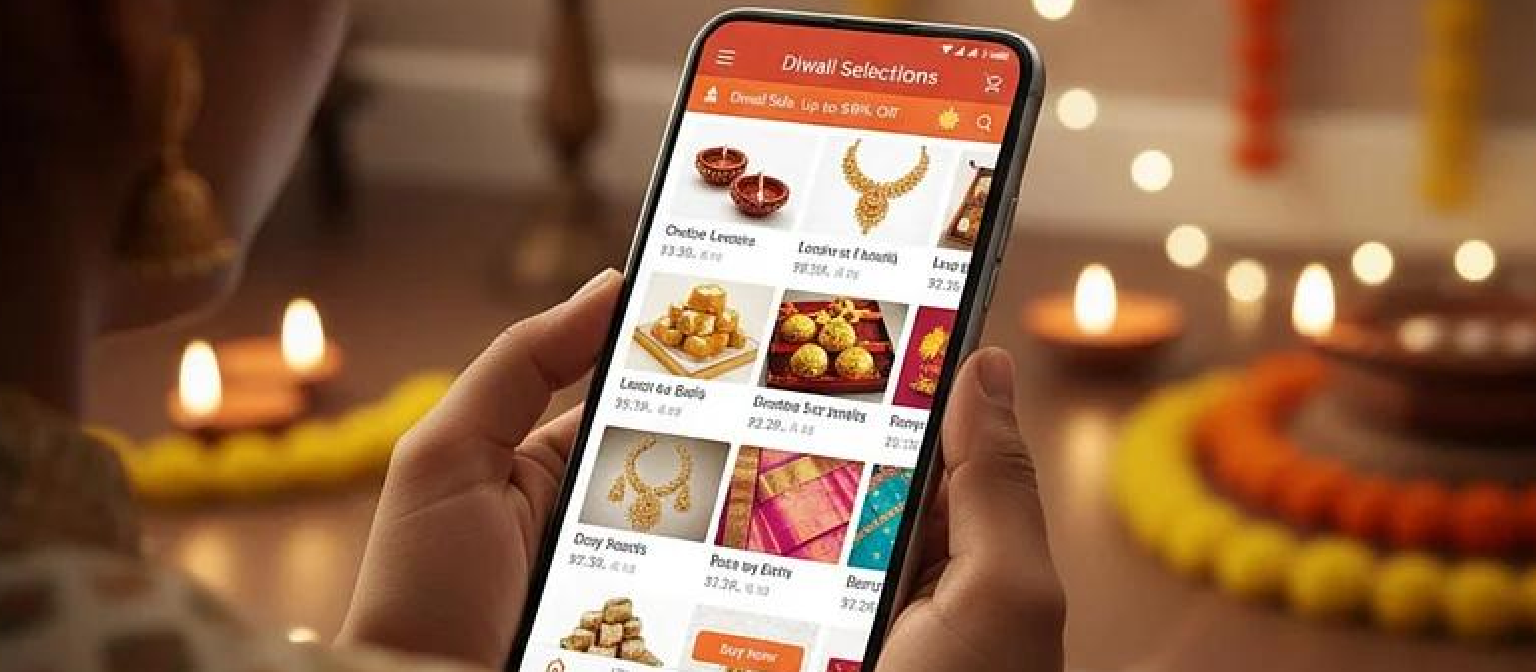
A festive advertising budget should be based on business goals, product margins, expected customer demand and the amount a business can afford to spend. Simply increasing daily budgets does not guarantee higher sales.
Start by reviewing previous advertising performance, if available. Look at the average cost per click, conversion rate, cost per acquisition and revenue generated by earlier campaigns.
For a new advertiser without historical data, begin with a controlled test budget. Use the initial campaign period to understand search demand, keyword costs and customer response before making larger changes.
Budget planning should also consider the campaign timeline. Businesses may need separate allocations for early festive promotions, peak shopping days and final delivery deadlines.
Keep sufficient budget available for the periods when customers are most likely to purchase. Monitor whether campaigns are limited by budget and review performance before increasing spending.
For e-commerce businesses, profitability is especially important. A campaign generating many orders may still be unprofitable if advertising costs, product costs, shipping and discounts exceed the available margin.
Set a realistic spending limit and review results regularly. Budget decisions should be guided by conversion data rather than assumptions about festive demand.
6. Build Dedicated Diwali Landing Pages for Better Conversions
When someone clicks a festive advertisement, the destination page should match the message they saw. Sending every visitor to a generic homepage can create unnecessary steps and make it harder for customers to find the advertised offer.
A dedicated Diwali landing page can present the festive collection, special promotions, product categories and important shopping information in one organised location.
For example, a gift business can create a page featuring Diwali hampers, price ranges, customisation options and delivery details. A clothing retailer can highlight festive outfits, available sizes, product images and relevant offers.
A high-quality landing page should include:
- Matching Ad Message: Keep the advertised product, offer and campaign theme consistent with the landing page.
- Clear Product Information: Display accurate descriptions, prices, availability and high-quality images.
- Simple Navigation: Help customers explore categories and reach important product pages quickly.
- Mobile-Friendly Design: Ensure the page works smoothly on smartphones, where many shoppers browse and purchase.
- Easy Checkout or Enquiry: Reduce unnecessary steps between product discovery and the desired action.
Page speed, trust signals and clear delivery information are also important. Customers should be able to understand the purchase process without searching through multiple pages.
A dedicated landing page helps connect advertising activity with the actual customer experience and gives businesses a clearer way to measure campaign results.
7. Target the Right Audience and Relevant Locations
A Google Ads campaign should reach people who are likely to become customers. Audience and location settings help businesses focus advertising on relevant markets instead of spending money on users they cannot serve.
For a local business, location targeting can focus on the areas where products or services are available. A retailer offering local delivery may target selected cities or serviceable pin-code areas, while a business selling nationwide can use broader geographic targeting.
Businesses should also consider customer interests, search behaviour and previous website interactions where suitable targeting options are available.
Useful targeting considerations include:
- Geographic Relevance: Select locations that match delivery coverage or service availability.
- Language Preferences: Use ad language that reflects the audience you want to reach.
- Remarketing Audiences: Reconnect with eligible previous website visitors or product viewers.
- Customer Lists: Use eligible first-party customer data in accordance with Google's policies and consent requirements.
- Device Performance: Review mobile, desktop and tablet results to understand where valuable conversions occur.
Avoid selecting audiences only because they appear large. The objective is to reach people with relevant needs and a realistic opportunity to purchase.
Review search terms and campaign reports during the festive period. Exclude irrelevant searches where appropriate and refine targeting based on actual results.
8. Use Remarketing to Reconnect with Interested Shoppers
Not every visitor purchases a product during their first website visit. Some customers compare prices, review different options or leave the website before completing checkout.
Remarketing can help businesses reconnect with eligible audiences who have previously interacted with their website, advertisements or other digital content. It can be useful during Diwali because customers may return to complete a purchase after comparing festive offers.
For example, an online store can create suitable audience segments for visitors who viewed product pages, added products to their carts or explored a particular collection. Depending on eligibility, campaign settings and privacy requirements, relevant advertisements can remind these visitors about the products they considered.
Remarketing creatives should provide useful reasons to return. Businesses may highlight product benefits, available sizes, genuine offers or delivery information rather than repeatedly displaying the same generic advertisement.
Frequency and audience settings should be managed carefully. Excessive advertising can create a negative experience, while inaccurate product or price information can reduce customer trust.
Use conversion tracking to understand whether remarketing contributes to purchases or enquiries. This makes it easier to assess the value of reconnecting with interested visitors.
9. Track Conversions and Measure Google Ads Performance

Campaign measurement helps businesses understand whether their advertising investment is generating meaningful outcomes. Clicks and impressions show how people interact with advertisements, but conversion data provides a clearer view of business results.
Set up Google Ads conversion tracking before launching the campaign. For an e-commerce website, important actions may include completed purchases and purchase value. For service businesses, useful conversions may include submitted enquiry forms, phone calls or qualified leads
Monitor key performance indicators such as:
- Click-Through Rate (CTR): Understand how often people click after seeing an advertisement.
- Cost Per Click (CPC): Review the average amount paid for advertising clicks.
- Conversion Rate: Measure the proportion of relevant interactions that result in the desired action.
- Cost Per Conversion: Understand how much advertising spend is required to generate a purchase or enquiry.
- Cost Per Conversion: Understand how much advertising spend is required to generate a purchase or enquiry.
Use accurate conversion actions and avoid counting duplicate or low-value interactions as successful sales. For e-commerce, ensure purchase values and transaction details are recorded correctly.
Review performance by campaign, ad group, keyword, product category and location where the available reports allow it. This helps identify which areas deserve more attention and which may need improvement.
10. Optimise Your Campaign Throughout the Diwali Season
Launching a campaign is only the beginning. Search demand, competitor activity, product availability and customer behaviour can change throughout the festive period.
Review campaign performance regularly and make adjustments based on reliable data. If a particular product category generates valuable purchases, consider whether it deserves more budget. If certain keywords attract irrelevant clicks, refine the keyword list or add suitable negative keywords.
Businesses using Performance Max should review available campaign insights, product performance and asset quality. Google recommends preparing seasonal assets in advance and using campaign planning tools to manage retail holiday activity. See Google’s official retail holiday Performance Max guidance.
Before the campaign begins, check that advertisements are approved, payment methods are working, landing pages are accessible and conversion tracking is active. Google’s seasonal campaign guidance also recommends preparing campaigns early, using relevant seasonal messaging and planning measurement before the holiday period.
During the campaign, monitor spending, stock availability and fulfilment capacity. Pause or update promotions when products become unavailable or offers expire. After Diwali, review the results to identify useful insights for the next festive season.
Conclusion
Google Ads for Diwali sales can help businesses reach customers who are actively searching for festive products, services and special offers. From keyword research and campaign selection to creative development, audience targeting and remarketing, every part of the campaign should support a clear business objective.
Successful festive advertising depends on more than generating clicks. Businesses need relevant landing pages, accurate conversion tracking, practical budgets and continuous optimisation to turn advertising traffic into meaningful enquiries and purchases.
At Vipul Pore & Co., we focus on website development and digital solutions that help businesses strengthen their online presence. With a well-planned Google Ads strategy and a conversion-focused website, businesses can make better use of festive demand, connect with relevant customers and build opportunities for long-term growth.