Product Packaging Design for D2C Brands: Create Memorable Packaging That Builds Brand Recognition
Direct-to-Consumer (D2C) brands have changed how customers discover, purchase and experience products. From skincare and fashion to food, beverages, supplements and lifestyle products, businesses now sell directly to customers through their own websites and online marketplaces. In this competitive environment, product quality and digital marketing are important, but packaging also plays a major role in shaping how customers recognise and remember a brand.
Product packaging design for D2C brands goes beyond creating attractive boxes, bottles or labels. It combines brand identity, visual communication, functionality and customer experience into one physical presentation. Well-designed packaging helps products stand out, communicates brand values and creates a consistent experience from delivery to unboxing. For growing D2C businesses, investing in thoughtful packaging design can help build customer familiarity and support long-term brand recognition.
1. What Is Product Packaging Design and Why Does It Matter for D2C Brands?
Product packaging design involves creating the visual and structural presentation of a product through materials, shapes, colours, typography, graphics and labels. It protects the product while communicating important information and presenting the brand to customers.
For D2C businesses, packaging is especially important because customers often experience the physical product for the first time when their online order arrives. Unlike traditional retail purchases, where customers can examine products before buying, online shoppers depend on product images, descriptions and brand presentation when making decisions.
For example, a skincare startup selling through its website needs packaging that clearly communicates the product name, category and brand identity while maintaining a visually appealing appearance. When the customer receives the order, the packaging should create a consistent experience with the website and advertising.
Professional D2C product packaging design brings together marketing, functionality and brand communication, helping businesses present their products more effectively across digital and physical channels.
2. How Packaging Design Builds Brand Recognition and Customer Trust
Brand recognition develops when customers repeatedly encounter consistent visual elements associated with a business. Packaging provides a physical opportunity to reinforce these elements every time a customer purchases or uses a product.
A recognisable logo, consistent colour palette, distinctive typography and coordinated product layouts help customers identify a brand across different products and packaging formats. When these elements remain consistent across multiple orders, customers become more familiar with the brand’s visual identity.
Packaging can also influence how customers perceive product quality. Neat printing, readable information, suitable materials and well-finished containers communicate attention to detail. On the other hand, poorly aligned labels, unclear product information or damaged packaging can negatively affect the overall impression.
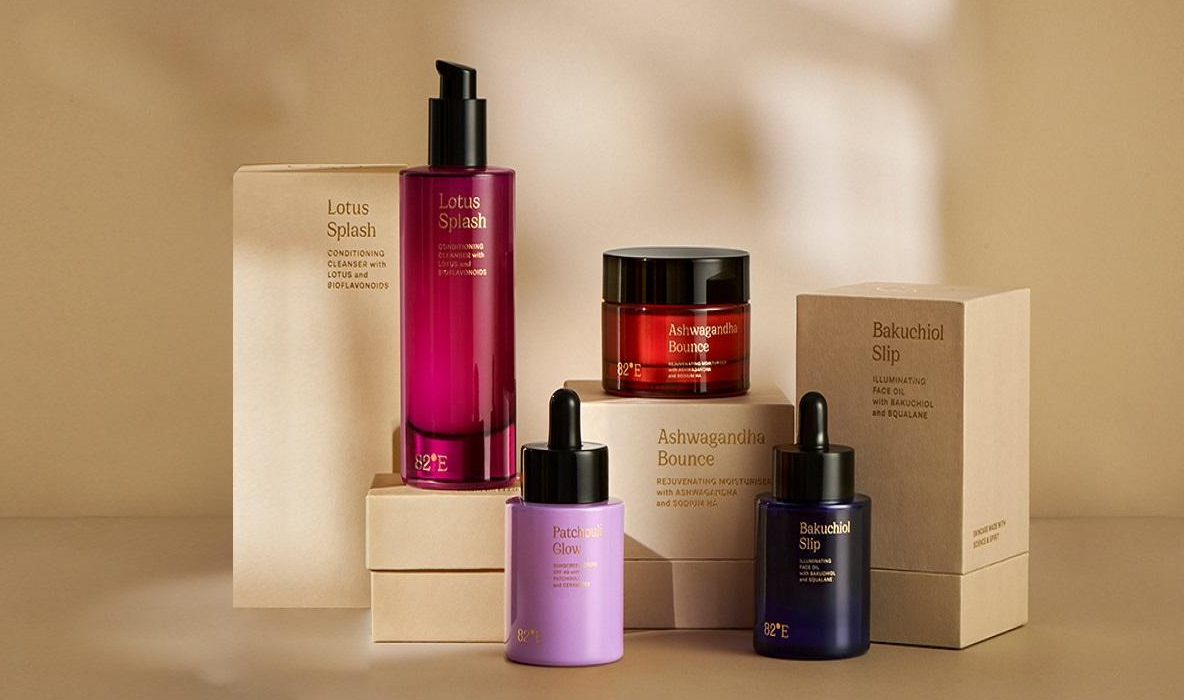
For D2C brands offering multiple product variations, a consistent packaging system is particularly valuable. Individual products can use different colours or visual identifiers while maintaining a common brand language. This creates familiarity without making every product look identical.
3. Essential Elements of Effective D2C Product Packaging Design
Creating effective packaging requires balancing visual appeal with practical communication. Every element should serve a purpose and work together to present the product clearly.
Important packaging design elements include:
- Logo and Brand Identity: Position the brand logo clearly and maintain consistent visual identity across packaging, labels and promotional materials.
- Typography and Readability: Select appropriate fonts, sizes and text hierarchy so customers can easily understand product names and important information.
- Colour Psychology: Choose colours that reflect the brand personality, product category and intended audience while maintaining consistency across product ranges.
- Product Information: Display relevant product details, benefits, usage instructions and applicable declarations in an organised layout.
- Visual Graphics and Imagery: Use suitable illustrations, photography and decorative elements to communicate product characteristics without overcrowding the design.
For example, a premium personal care brand may prefer minimal typography and a restrained colour palette, while a children’s snack brand may use brighter colours and friendly illustrations. The design direction should reflect the product’s positioning and customer expectations.
4. Choosing the Right Packaging Style for Your D2C Products
Different products require different packaging formats depending on their size, weight, storage requirements, usage and distribution methods. Choosing a suitable structure is as important as developing the visual design.
A skincare brand may require bottles, jars, tubes or cartons, while a fashion business may use branded mailer boxes, garment bags and protective wrapping. Food brands may need pouches, jars, sealed containers or suitable food-contact packaging materials.
Businesses should evaluate the packaging structure before finalising the artwork. This helps designers understand the available printable surfaces, label dimensions, opening mechanisms and manufacturing limitations.
Important packaging considerations include product protection, storage convenience, transport durability and ease of handling. D2C businesses should also consider how packaging dimensions affect shipping efficiency and storage requirements.
A packaging format that looks attractive in a design presentation may not always be practical during manufacturing or delivery. Reviewing physical samples and structural prototypes helps identify problems before large production quantities are ordered.
5. Create a Memorable Unboxing Experience for Online Customers
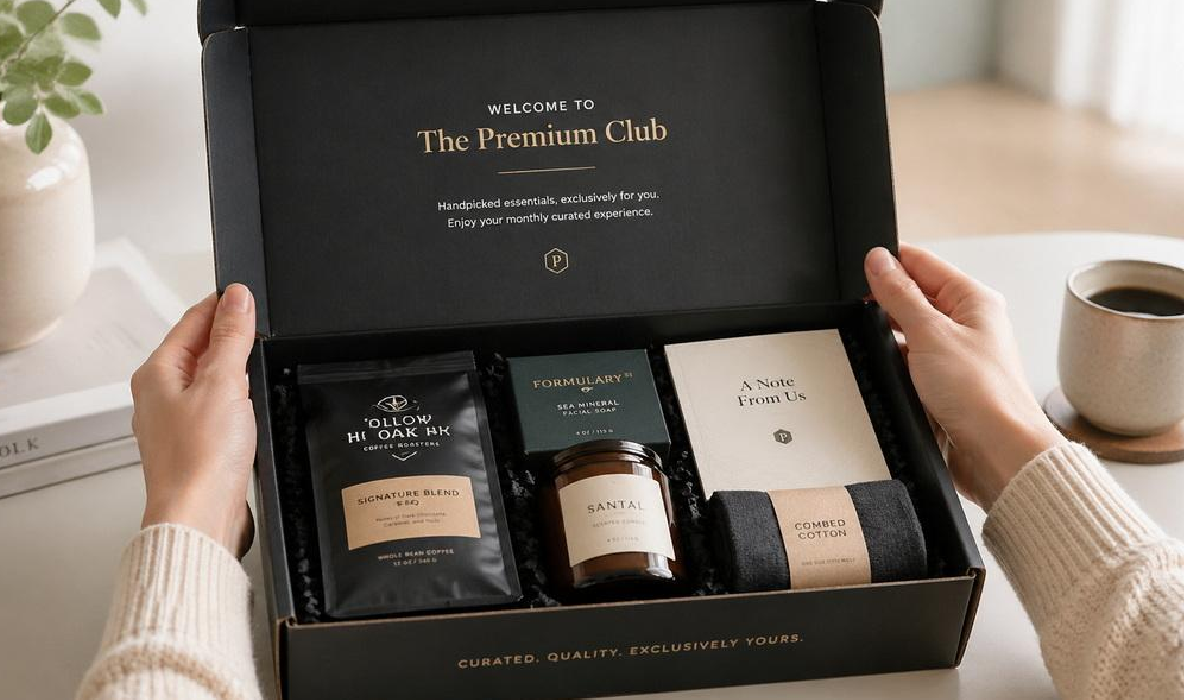
Unboxing is an important moment in the D2C customer journey because it is often the first physical interaction customers have with a brand. Thoughtfully designed packaging can make this experience more organised, enjoyable and consistent with the expectations created through online marketing.
D2C businesses can develop an effective unboxing experience through:
- Branded Outer Packaging: Use coordinated shipping boxes or mailers that create a recognisable first impression when an order arrives.
- Product Inserts: Include useful care instructions, product information, thank-you cards or relevant promotional material.
- Protective Inner Packaging: Use suitable wrapping, dividers and cushioning to keep products secure during transportation.
- Consistent Visual Presentation: Maintain matching colours, typography and design elements across boxes, labels, inserts and wrapping materials.
- Thoughtful Opening Experience: Organise packaging layers so customers can access the product conveniently without unnecessary complexity.
For example, a premium gifting brand can use a branded rigid box, carefully arranged tissue paper and a personalised message card to create a more considered presentation.
The goal should be to make packaging useful and memorable rather than simply adding decorative layers. A well-designed unboxing experience should also remain practical for storage, delivery and packaging costs.
6. The Importance of Packaging Materials, Printing and Finishes
Material selection influences packaging durability, appearance, cost and customer experience. Businesses should select materials according to the product’s protection requirements and intended brand positioning.
Cardboard cartons, corrugated boxes, paperboard, flexible pouches, glass containers and suitable plastics are examples of packaging formats used across different D2C industries. Their suitability depends on the product, transportation conditions and applicable material standards.
Printing methods and surface finishes also affect the final appearance. Matte lamination can create a subtle finish, while gloss coatings offer a more reflective appearance. Foil stamping, embossing, debossing and spot UV can highlight selected design elements when used appropriately.
However, businesses should not select finishes only because they look premium in a mock-up. Designers need to understand how colours, materials and printing processes will behave during actual production.
Testing printed samples helps verify colour accuracy, text readability, alignment and overall quality before approving bulk manufacturing.
7. Sustainable Packaging Design for Modern D2C Brands
Sustainability is an increasingly important consideration for businesses developing packaging strategies. Customers may notice unnecessary packaging materials, excessive plastic components and oversized delivery boxes. D2C brands can evaluate packaging choices that reduce material waste while maintaining adequate product protection.
Useful sustainable packaging considerations include:
- Recyclable Materials: Explore suitable paper, cardboard and other materials that can be recycled through available local systems.
- Right-Sized Packaging: Avoid unnecessarily large boxes and excess filling material when a smaller protective format is suitable.
- Reduced Material Usage: Remove decorative or protective layers that do not add meaningful value or product safety.
- Reusable Packaging: Consider reusable formats where the product category and customer behaviour make them practical.
- Clear Disposal Instructions: Provide accurate information that helps customers understand how to dispose of packaging components appropriately.
For example, a D2C clothing brand may use a suitably sized paper-based mailer instead of unnecessary multilayer packaging. A skincare company may explore refillable containers where product compatibility and manufacturing requirements allow.
Businesses should ensure environmental claims are accurate and supported by evidence. Terms such as recyclable, biodegradable and compostable should not be used loosely because their meaning depends on the material and available disposal conditions.
8. Packaging Design for E-commerce Product Listings and Brand Consistency
D2C products often appear across multiple digital touchpoints, including company websites, online marketplaces, social media advertisements and product catalogues. Packaging should be designed to remain recognisable across these different viewing environments.
Product photography is one important consideration. A package should communicate the product category and brand identity clearly when displayed as a small image on a shopping website or marketplace listing.
Designers should also maintain consistency between physical packaging and digital brand elements. The logo, colour palette, typography and product naming should match the website, promotional graphics and product photographs.
For brands offering multiple sizes, flavours, shades or product variations, a structured packaging system makes product identification easier. Each product can have its own variation while maintaining a shared visual layout.
This consistency helps customers recognise products across repeat purchases and different marketing channels. It also makes it easier for businesses to introduce new products without completely redesigning their packaging identity.
9. Packaging Labels, Product Information and Regulatory Requirements in India

Packaging design is not limited to appearance. Product labels may need to communicate specific information according to the product category and applicable Indian regulations.
For packaged consumer products, businesses should review the relevant Legal Metrology requirements. Depending on the product and applicable rules, declarations may include the manufacturer’s or importer’s details, product identity, net quantity, manufacturing information, maximum retail price and consumer care information.
Food businesses must separately review applicable Food Safety and Standards Authority of India (FSSAI) packaging and labelling regulations. Cosmetics, pharmaceuticals and other regulated categories may have additional requirements.
Important considerations when preparing packaging artwork include:
- Mandatory Product Details: Confirm which declarations apply to the particular product and package format.
- Readable Labels: Ensure required text is legible and has suitable placement and print contrast.
- Product Claims: Check that product benefits, ingredient statements and environmental claims are accurate and appropriately supported.
- Barcode and Identification: Include applicable barcodes, batch details and other product identification elements where required.
- Artwork Verification: Have the final artwork reviewed by the brand's regulatory or compliance professional before production.
Since packaging regulations and amendments can change, businesses should verify the current requirements for their product category before approving print-ready files.
10. Professional Packaging Design Process: From Concept to Print-Ready Artwork
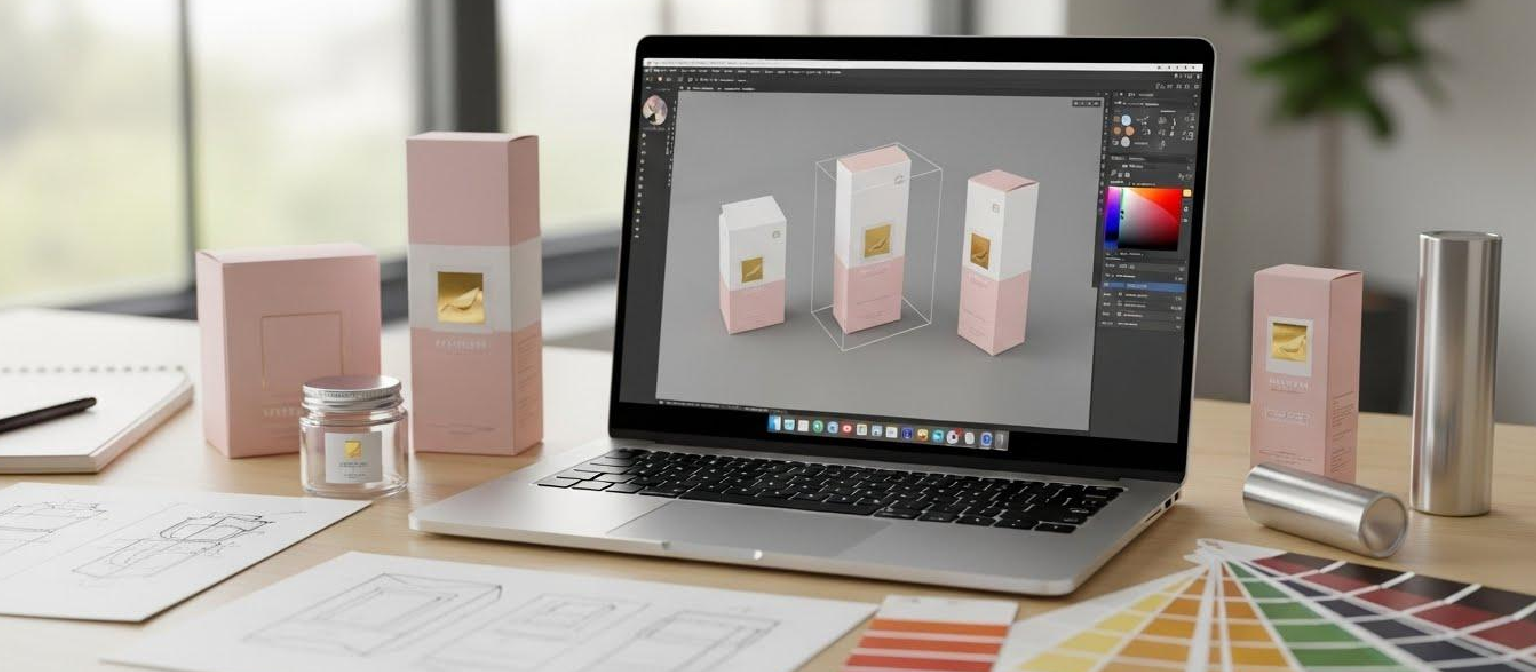
A structured packaging design process helps businesses move from an initial product idea to a production-ready design. It begins with understanding the brand, product characteristics, target audience and distribution requirements.
The designer then researches competitors and identifies opportunities to differentiate the product visually. This information guides the creative direction, packaging layout, colour selection and typography.
Initial design concepts are developed using the available packaging dimensions and structural specifications. Once a direction is selected, the artwork is refined to include product information, brand elements and required declarations.
The design is then prepared according to the printer’s technical specifications, including dielines, bleed, safe areas, colour settings and appropriate image resolution. Physical samples or prototypes should be reviewed to check how the design looks and functions in reality.
Finally, the approved artwork is prepared for production in the required formats. A professional packaging design process should involve coordination between the business, designer, manufacturer and printer to minimise errors and ensure that the final packaging reflects the intended brand identity.
Conclusion
Product packaging design for D2C brands plays an important role in building brand recognition, communicating product value and improving the customer experience. From consistent brand identity and suitable materials to memorable unboxing, e-commerce presentation and regulatory information, every packaging decision influences how customers experience a product.
Businesses should look beyond attractive graphics and develop packaging that is practical, recognisable and aligned with their target audience. A well-planned packaging system can also support new product launches, maintain consistency across multiple SKUs and create a stronger brand presence across online and offline channels.
At Vipul Pore & Co., businesses can explore professional product packaging design, label design and print packaging solutions tailored to their brand identity and product requirements. With strategic design, careful production planning and consistent visual communication, D2C brands can create packaging that makes their products more recognisable and memorable.