
Introduction
A successful online store does more than display products; it makes shopping easy, convenient, and trustworthy. When customers can find products quickly, understand their benefits, and complete purchases without difficulty, they are more likely to buy. Improving your online store’s user experience can help reduce shopping frustrations, encourage engagement, and create more opportunities for sales. Through effective e-commerce website design, faster performance, clear product information, and a streamlined checkout, businesses can build a shopping experience that supports customer satisfaction and long-term growth.
1. Simplify Website Navigation
Clear navigation helps customers find the products they want without wasting time. Organise products into logical categories, use descriptive menu labels, and provide a visible search bar. For larger stores, filters and sorting options can help customers narrow results by price, size, brand, colour, or product type. Keep important pages, such as contact details, delivery information, and return policies, easy to access. A well-structured online store reduces confusion and helps visitors move smoothly from browsing to purchasing.
2. Improve Product Pages to Encourage Purchases
Product pages should answer customers’ questions and help them make confident buying decisions. Clear descriptions, accurate pricing, useful images, and transparent availability details reduce uncertainty. Include the information shoppers need before adding an item to their cart.
Key benefits include:
- High-quality images: Show products from multiple angles and provide zoom functionality where useful.
- Detailed descriptions: Explain features, materials, dimensions, benefits, and available variations.
- Customer reviews: Display genuine feedback to help shoppers evaluate products.
- Clear calls to action: Make buttons such as “Add to Cart” and “Buy Now” easy to identify.
3. Make Your Online Store Mobile-Friendly
A smooth mobile shopping experience is essential because many customers browse and purchase products using smartphones. Responsive website design ensures that pages adapt to different screen sizes without making content difficult to read. Buttons should be easy to tap, menus should be simple to use, and product images should fit mobile screens properly. Test important customer journeys on different devices, including searching for products, selecting variations, adding items to the cart, and completing payment. A mobile-friendly store helps customers shop conveniently wherever they are.
4. Improve Website Speed and Performance
Slow-loading pages can frustrate visitors and interrupt their shopping journey. Optimising website speed helps customers access products, browse categories, and complete transactions with fewer delays. Compress images, reduce unnecessary scripts, use reliable hosting, and enable suitable caching where supported. Regularly test page performance, particularly on mobile devices and important landing pages. Monitor technical errors and fix broken links or checkout issues promptly. A fast and reliable online store creates a smoother experience and can support better engagement and conversion performance.
5. Simplify the Checkout Process
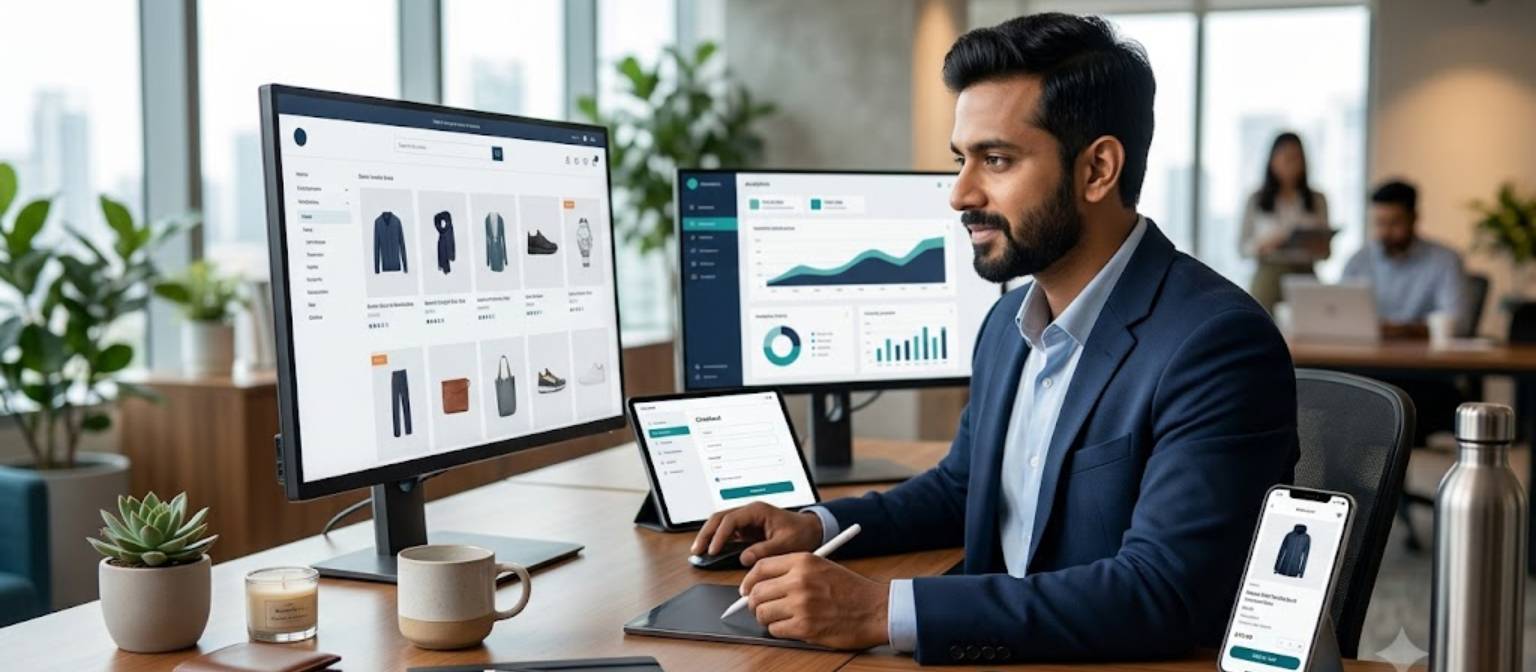
A complicated checkout is a common source of shopping friction. Customers may abandon their carts when forms are lengthy, delivery charges appear unexpectedly, or payment options are unclear. Keep checkout steps straightforward and display the final cost before customers place an order. Allow guest checkout where appropriate, request only essential information, and provide clear error messages when something needs correction. Offering suitable payment methods and transparent shipping and return policies can help customers complete purchases with greater confidence.
6. Build Trust and Improve Website Security
Customers need to feel confident before sharing personal details or making an online payment. Display accurate contact information, clear privacy policies, delivery timelines, and return conditions. Use HTTPS and trusted payment providers, and maintain appropriate security measures to protect customer information. Genuine reviews, transparent pricing, and professional website design also help establish credibility. Avoid misleading discounts or unexpected fees, as these can damage trust. When shoppers understand what to expect, they are more likely to feel comfortable completing an order.
7. Use Personalisation and Relevant Recommendations
Relevant product recommendations can help customers discover items that match their interests. Depending on your store’s capabilities and privacy practices, you can suggest related products, complementary accessories, or recently viewed items. For example, a customer purchasing a camera might appreciate compatible accessories. Personalised offers, useful product filters, and relevant follow-up emails can make the shopping experience more helpful. Focus on recommendations that genuinely benefit customers rather than overwhelming them with unnecessary promotions.
8. Measure Results and Continuously Optimise
Improving user experience requires regular observation and testing. Use website analytics to understand how visitors navigate your store, which product pages attract attention, and where customers leave the purchasing process. Monitor metrics such as conversion rate, cart abandonment, average order value, and page loading performance. Test changes to page layouts, product descriptions, calls to action, and checkout steps to identify what works best for your audience. Small, evidence-based improvements can gradually make your store easier to use and more effective at generating sales.
Conclusion
Improving your online store’s user experience and conversions starts with understanding what customers need throughout their shopping journey. Clear navigation, informative product pages, mobile-friendly design, fast loading speeds, secure payments, and a simple checkout can remove barriers to purchasing. By monitoring customer behaviour and continuously improving your e-commerce website, you can build trust, encourage more completed orders, and create a better shopping experience that supports sustainable business growth.