
Introduction
Reducing website development costs does not mean choosing the cheapest developer, using outdated technology, or compromising on design and functionality. A successful business website should deliver a professional appearance, smooth user experience, reliable performance, security, and long-term value while staying within a reasonable budget.
For businesses planning a new website in 2026, understanding how to reduce website development costs can make a significant difference. Many projects become expensive because of unclear requirements, unnecessary features, frequent design changes, poor technology choices, and avoidable development mistakes. These problems can increase both the initial investment and future maintenance expenses.
Understand Your Business Requirements Before Starting Development
The first step towards reducing website development costs is understanding exactly what your business needs from its website. Without a clear plan, development projects can become complicated as new requirements appear during the process.
Before contacting a developer, identify the main purpose of your website. A business website designed to generate enquiries will require a different structure from an online store, membership platform, or professional portfolio.
Start by defining your target audience, important services, expected website features, and primary conversion goals. Decide which pages are essential for the initial launch and which improvements can be introduced later.
Create a Clear Website Development Budget
Preparing a realistic budget before development begins helps prevent unexpected expenses. Businesses should understand which parts of the project require investment and how much flexibility is available for future improvements.
Important budget planning steps include:
- Set a maximum investment: Decide how much your business can comfortably spend without affecting other operational expenses.
- Prioritise essential features: Allocate the largest portion of your budget to functionality that directly supports business objectives.
- Separate initial and recurring costs: Calculate development expenses separately from annual hosting, domain, plugin, and maintenance charges.
- Keep a contingency amount: Reserve approximately 10–15% of the estimated project budget for unexpected requirements.
- Compare detailed quotations: Evaluate what each developer includes instead of selecting an agency based only on the lowest price.
For instance, a business may decide to launch with essential service pages and an enquiry system before investing in advanced automation or customer portals.
Choose the Right Website Platform for Your Requirements
Selecting the appropriate technology is one of the most important decisions affecting website development costs.
WordPress for Business Websites
WordPress is a practical option for many service businesses, consultants, agencies, educational organisations, and content-driven websites. It offers an extensive ecosystem of themes and plugins, allowing developers to build professional websites without creating every feature from scratch.
Shopify for E-commerce Businesses
Shopify can be suitable for businesses that want to sell products online without managing the entire technical infrastructure themselves. Its built-in commerce features can reduce the need for custom development, although subscription and transaction-related expenses should be considered.
WooCommerce for Flexible Online Stores
WooCommerce adds e-commerce functionality to WordPress. It can be useful for businesses that want greater control over their online store, product management, website design, and hosting arrangements.
Prioritise Essential Features Instead of Building Everything at Once
Adding too many features during the initial development stage can increase project costs, delay the launch, and make website management more complicated.
- Professional homepage: Communicate your business offering, services, and value proposition clearly.
- Essential service pages: Provide detailed information about the products or services your business offers.
- Contact and enquiry forms: Give visitors a straightforward way to communicate with your team.
- Mobile responsiveness: Ensure the website works properly across smartphones, tablets, and desktops.
- Basic SEO structure: Include descriptive URLs, page titles, meta descriptions, headings, and indexable content.
Advanced features such as customer dashboards, complex membership systems, AI-powered recommendations, and extensive automation can be considered when there is a genuine business requirement.
Prepare Website Content Before Development Begins
Website content is an important part of the development process, but businesses sometimes leave it until the final stage. This can create delays, repeated design adjustments, and additional expenses.
Preparing essential content in advance helps developers understand the website structure and design pages according to actual information rather than temporary placeholder text.
Start by collecting your company introduction, service descriptions, product information, contact details, business address, testimonials, and relevant images. Organise the material according to the pages where it will appear.

Use Ready-Made Themes and Components Strategically
Customising every website element from scratch can increase development time and cost. For projects with standard business requirements, professionally designed themes and reusable components can provide an efficient alternative.
Choose a Reliable Theme
A quality theme provides an established design foundation for common website layouts, navigation structures, typography, and responsive behaviour. Select a theme that supports your platform and can be maintained over time.
Reuse Consistent Website Components
Buttons, contact sections, service cards, testimonials, and call-to-action areas can be developed as reusable components. This reduces repeated design and development work while maintaining visual consistency.
Avoid Excessive Customisation
Changing every small design element can increase project hours without necessarily improving the visitor experience. Focus customisation on important brand elements, usability, and business-specific functionality.
Avoid Unnecessary Revisions and Scope Changes
Frequent changes during website development are a common reason projects exceed their original budgets.
Follow these practices:
- Approve the sitemap first: Confirm the website pages, navigation structure, and content hierarchy before design work begins.
- Finalise the design direction: Agree on colours, typography, layout style, and branding before full development.
- Provide consolidated feedback: Collect comments from all decision-makers and share them together instead of sending separate instructions.
- Use a defined revision process: Agree on the number of design revision rounds and how additional changes will be handled.
- Separate new features from corrections: Distinguish between fixing an existing issue and requesting additional functionality.
- Appoint one decision-maker: Allow one authorised person to coordinate approvals and communicate final requirements.
It also allows developers to concentrate on completing the agreed scope instead of repeatedly rebuilding previously approved sections.
Choose an Experienced Developer Instead of Simply Choosing the Cheapest Quote
The developer or agency you select can have a major impact on the total cost of your website project. A low quotation may look attractive initially, but incomplete work, technical problems, poor communication, and repeated corrections can increase the final expense.
An experienced developer can recommend suitable technology, identify unnecessary features, create a realistic development plan, and avoid common technical mistakes.
Before selecting a development partner, review their previous projects and check whether they have experience building websites similar to yours. Evaluate their understanding of responsive design, SEO fundamentals, website security, performance optimisation, and ongoing support.
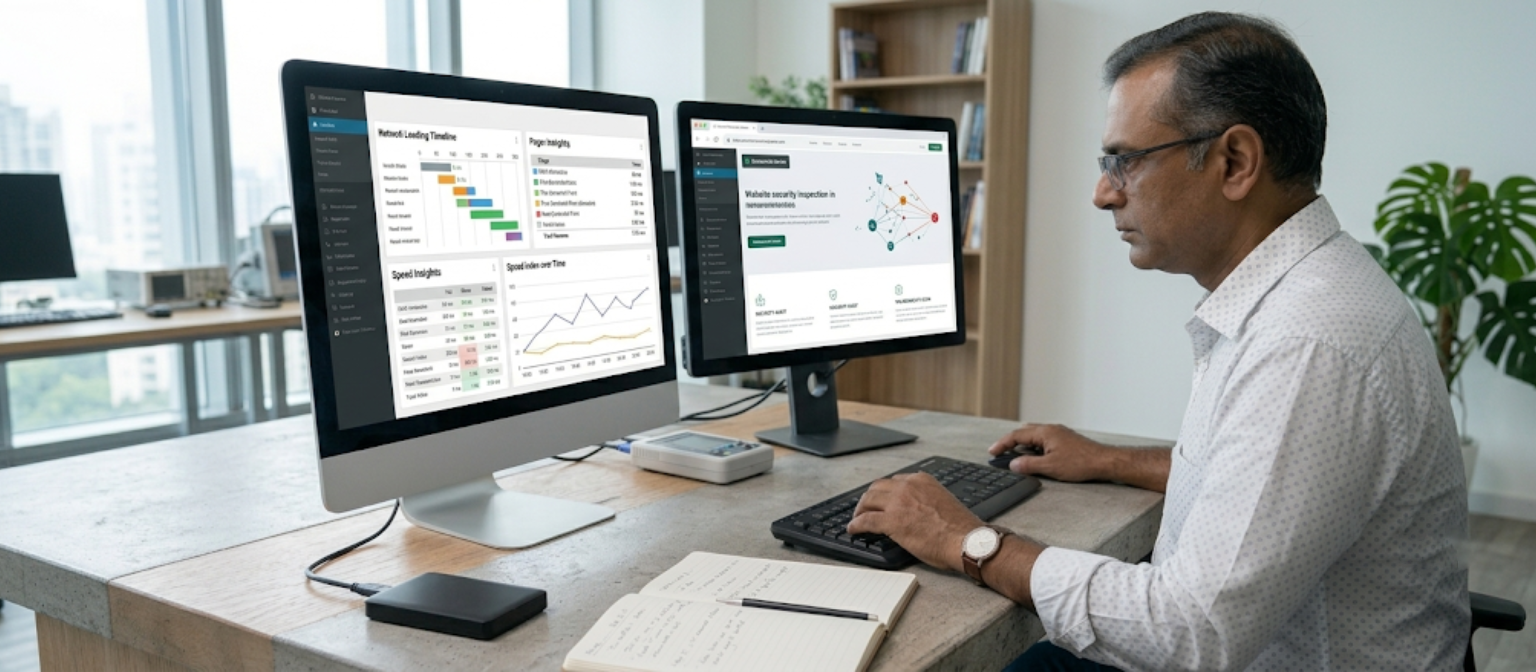
Invest in Website Performance, Security, and Maintainability from the Beginning
Trying to save money by ignoring performance, security, and technical maintenance can create more expensive problems later.
Optimise Images and Media
Use appropriately sized images and modern formats such as WebP or AVIF where supported. Compress media without noticeably reducing visual quality.
Select Suitable Hosting
Choose a hosting provider that matches your website’s traffic, resource requirements, security needs, and expected growth. Avoid paying for expensive infrastructure that your project does not currently need.
Limit Unnecessary Plugins
Every additional plugin can introduce maintenance requirements and potential compatibility issues. Install only trusted plugins that provide useful functionality.
Follow a Phased Website Development Approach
A phased development approach allows businesses to distribute their investment over time while ensuring that the most important website features are available first.
A practical development roadmap can include:
- Phase 1 – Research and planning: Define business objectives, target audience, sitemap, technology, and budget.
- Phase 2 – Core website design: Develop the homepage, service pages, navigation, branding, and essential layouts.
- Phase 3 – Essential functionality: Implement enquiry forms, contact details, mobile responsiveness, and required integrations.
- Phase 4 – Testing and launch: Review website performance, security, forms, SEO basics, and browser compatibility before launch.
- Phase 5 – Performance improvements: Analyse visitor behaviour and identify areas where usability and conversion rates can improve.
- Phase 6 – Advanced features: Introduce automation, customer portals, advanced integrations, and additional functionality when justified.
This approach prevents businesses from investing heavily in features before understanding whether they are necessary.
Conclusion
Reducing website development costs without compromising quality requires careful planning, the right technology, realistic budgeting, and a clear understanding of business priorities. Businesses do not need to invest in every advanced feature from the beginning. They need a website that supports their current objectives, provides a positive user experience, and allows future improvements.
Start by defining your requirements, preparing website content, prioritising essential functionality, and selecting a suitable development platform. Work with an experienced developer who provides transparent pricing and a clearly documented project scope. Avoid unnecessary revisions, excessive plugins, and features that do not contribute to your business goals.
Most importantly, do not compromise on essential areas such as mobile responsiveness, security, website performance, and maintainability. Saving money on these foundations can lead to higher expenses in the future.